0%

Choosing the right sublimation soccer uniforms involves more than selecting attractive colors. A reliable kit must support movement, comfort, durability, and team identity. Players sprint, slide, sweat, and sometimes wash jerseys after every match. Those details should guide every decision.

Start with the fabric. Lightweight polyester usually supports moisture management and sharp dye absorption. Ask suppliers about fabric weight, breathability, stretch recovery, and colorfastness. Request a physical sample before ordering. Digital previews can look impressive, but screens often hide small color differences. Bright red may appear darker on the finished jersey. That surprised our team once.

Fit deserves equal attention. A uniform that feels loose during warmups may shift during tackles. A tight collar can become distracting after sixty minutes. Measure players carefully, including chest, waist, height, and preferred fit. Compare those measurements with the supplier’s actual size chart. Do not rely only on small, medium, or large labels. Sizing varies between manufacturers.

Design should also serve the game. Clear numbers help referees and teammates identify players quickly. Contrasting colors improve visibility under changing weather and stadium lights. Check sponsor placement, name spacing, sleeve length, and goalkeeper color requirements. Team managers should review artwork carefully before production. One missing accent can affect the whole appearance.

Cost matters, but the cheapest option may create replacement problems later. Examine stitching, seam placement, printing quality, delivery timelines, and return policies. Ask how the supplier handles damaged items or sizing errors. Sublimation soccer uniforms can perform well for multiple seasons when properly designed and maintained. Still, no uniform is perfect. Honest evaluation helps teams choose confidently and avoid expensive regrets.
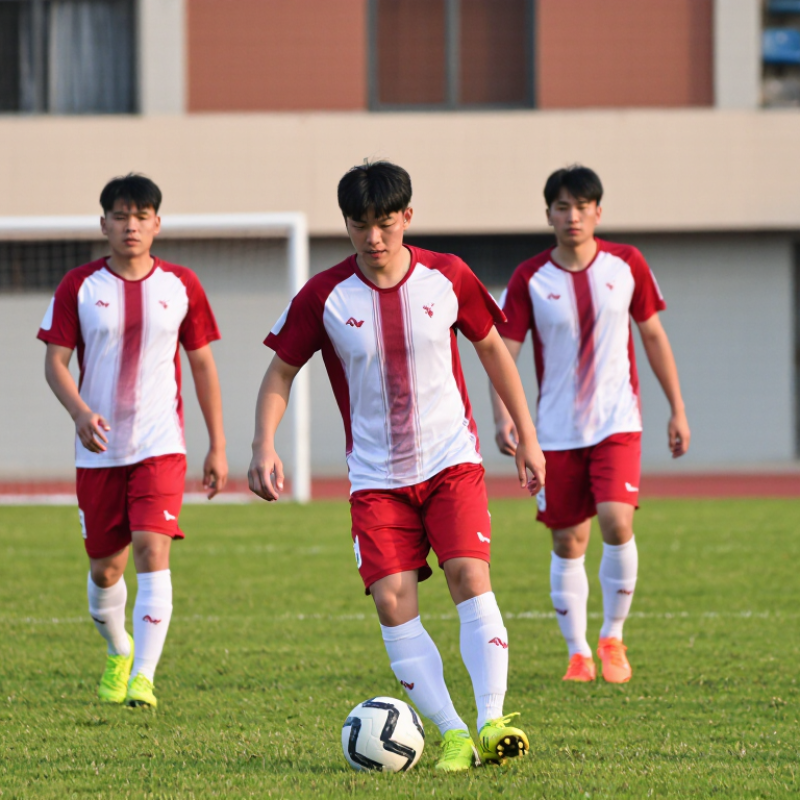
How to Choose Sublimation Soccer Uniforms for Your Team?

Define Your Team’s Sublimation Soccer Uniform Requirements

Before choosing sublimation soccer uniforms, define how your team actually plays and travels. Record the player count, age groups, positions, and expected replacement needs. A youth team may need several extra sizes during one season. Adult players may prefer a closer athletic fit. Measure chests, waists, and inseams instead of guessing from age labels. Small differences matter.

Consider your playing environment. Lightweight polyester works well in warm, humid weather. A slightly heavier fabric may feel more stable in cool conditions. Ask for breathable panels around the back and underarms. Check league rules for number size, contrast, sleeve length, and goalkeeper colors. Keep the goalkeeper clearly visible. Request a digital proof and a physical fabric sample before approving colors. Screens can make navy look nearly black.

Think about daily use, not only the first match. Inspect seam strength, collar comfort, and stitching around the numbers. Ask how the fabric performs after repeated washing. A small wash test can reveal fading, shrinking, or roughness. We once underestimated sleeve tightness, and players complained during warmups. That mistake changed our fitting process. Allow space for base layers, but avoid loose fabric that catches during play. Keep a written size chart, reserve two or three common sizes, and set a firm approval date. Late changes are expensive and often rushed.

Compare Fabric, Fit, and Performance Features

How to Choose Sublimation Soccer Uniforms for Your Team?

Fabric affects comfort, color quality, and match-day durability. Sublimation works best on polyester because the dye bonds with synthetic fibers. Textile Exchange’s 2024 Materials Market Report states that polyester represented 57% of global fiber production in 2023. That scale reflects performance demand, but it does not guarantee a good jersey.

Compare fabric weights carefully. Lightweight mesh improves airflow, while denser polyester can resist abrasion better. Ask suppliers for test samples. Feel the fabric after washing.

Fit decides comfort. A modern athletic cut should follow the shoulders without restricting the arms. Players need room for chest expansion and quick turns. Do not guess. Measure the largest player group, then check size charts against real body measurements. Loose sleeves can catch during contact, while tight seams may irritate the underarm. I once considered a close fit more professional, but several players preferred extra torso room. That feedback exposed a useful mistake.

Performance details deserve equal attention. Look for flat seams, reinforced stitching, flexible necklines, and mesh panels in high-sweat zones. AATCC 195 evaluates liquid moisture management, while ASTM D737 measures fabric air permeability. Request laboratory results when available.

Also test printed samples under sunlight, repeated washing, and heavy movement. A beautiful kit can still fail on the field.

Choose Colors, Patterns, and Custom Design Elements

How to Choose Sublimation Soccer Uniforms for Your Team?

Choose Colors, Patterns, and Custom Design Elements

Start with colors that remain clear under changing light. Dark navy may look nearly black indoors, while bright yellow can appear harsh outdoors. Choose one main color, one supporting color, and a small accent. Keep it readable. Check the combination beside white and dark shorts before ordering. This simple test can reveal poor contrast between the shirt, numbers, and background.

Patterns should support movement, not hide important details. Diagonal lines can suggest speed, while subtle geometric shapes add texture without overwhelming the player number. Avoid placing busy graphics behind names or numbers. A clean center area helps referees, teammates, and spectators identify players quickly. Test it outdoors. Digital previews are useful, but fabric can soften fine lines and change color slightly.

Custom elements should reflect the team’s character. Add a meaningful symbol, local landmark, or short motto with a restrained layout. Player names and numbers need consistent sizing and comfortable placement. From practical uniform planning, sleeve details often work better than crowded chest graphics. I once approved a pattern that looked balanced on screen but felt too busy after printing. That mistake taught me to review full-size samples, not only design files. Leave space around every element, and ask players for feedback before final production.

Less can work.

Verify Sizing, Personalization, and Production Details

Choosing sublimation soccer uniforms starts with measurements, not a colorful template. Ask players to measure their chest, waist, hips, and inseam in light clothing. Record each result beside the supplier’s size chart. Do not rely on age or last season’s shirt. Our first team order exposed this mistake: two growing players needed different sizes despite sharing an age group.

A sample jersey worn during training can reveal tight shoulders, long sleeves, or uncomfortable collars. Check movement, not just appearance. Some sizing charts are clear; others require careful questions.

Personalization needs written approval. Confirm player names, numbers, fonts, sponsor placement, sleeve patches, and color references. A proof should show the front, back, and both sleeves at actual placement. Check spelling twice. One wrong digit can affect match day and create replacement costs.

Ask whether the design is printed into the fabric, how colors are matched, and how the material handles repeated washing. Production details matter too. Request the fabric composition, stitching method, completion date, shipping window, and minimum order quantity.

Clarify what happens if an item differs from the approved proof. Build a time buffer before the first fixture. We once planned too closely and had no room for a delayed sample. That oversight still deserves criticism.

A written checklist, signed proof, and pre-delivery inspection make the order easier to verify.

Review Quality, Pricing, and Supplier Reliability

How to Choose Sublimation Soccer Uniforms for Your Team?

A reliable uniform starts with fabric performance, not attractive artwork. Choose breathable polyester with tight knitting and strong color penetration. Sublimation should reach the fibers, rather than sit like a fragile surface print. Ask for a physical sample before ordering. Check the collar, sleeve seams, and shorts waistband by stretching them repeatedly. Fit matters. Players need movement without loose fabric catching on opponents or equipment. In my experience, sizing charts often vary between suppliers, so measure several players carefully.

Pricing requires more than comparing the shirt cost. Request a complete quotation covering artwork, player names, numbers, samples, packaging, and delivery. A low unit price can hide expensive revisions or rushed shipping. Calculate the cost per complete set. Also ask about minimum order quantities and replacement pieces. Ordering one spare shirt for each common size may protect your budget during a long season.

Supplier reliability becomes visible through communication. Ask for production timelines, fabric specifications, color approval procedures, and quality inspection photos. A professional supplier should explain what happens when printed colors differ from the approved sample. Check whether replies are clear and consistent, especially after payment discussions. I once trusted a fast promise without confirming the delivery date, and our schedule became difficult. That mistake still influences how I evaluate suppliers. Request written terms, inspect the sample, and leave enough time for corrections before the first match.

How to Choose Sublimation Soccer Uniforms for Your Team

Use this 100-point decision framework when comparing sublimation soccer uniforms. Quality receives the highest weighting because fabric performance, print durability, stitching, and fit directly affect player comfort and service life. Pricing should include the complete delivered cost, while supplier reliability covers communication, production consistency, lead time, and replacement support.

FAQS

What fabric works best for sublimated soccer uniforms?

Polyester usually works best because dye bonds well with synthetic fibers. Lightweight mesh improves airflow, while denser fabric resists abrasion. Request samples. Wash them before deciding.

How should we compare fabric weight?

Choose lighter fabric for hot matches and better ventilation. Choose denser fabric for rough surfaces and frequent use. Weight alone proves little. Touch matters.

How can we choose the right uniform fit?

Measure real player bodies instead of guessing from age groups. The shirt should follow the shoulders without restricting arm movement. Leave room for chest expansion and quick turns.

What fit problems should teams watch for?

Loose sleeves may catch during contact. Tight underarm seams can cause irritation. Extra torso room may feel better than an extremely close athletic cut.

Which performance details are worth adding?

Look for flat seams, reinforced stitching, flexible necklines, and mesh panels. Place ventilation near the back and underarms. Small details matter during long matches.

How should we test a printed uniform before ordering?

Examine samples after sunlight exposure, repeated washing, and heavy movement. Check whether colors fade or fine lines soften. A beautiful sample can still fail outside.

How can teams choose effective colors and patterns?

Select one main color, one supporting color, and a small accent. Check the kit beside white and dark shorts. Indoor navy may look black outdoors.

Where should names, numbers, and graphics go?

Keep the center area clean behind names and numbers. Use consistent sizing and comfortable placement. Sleeve details often prevent crowded chest designs. Less can work.

Conclusion

Choosing the right sublimation soccer uniforms begins with identifying your team’s practical needs, including the playing environment, competition level, preferred fit, and required quantity. Compare fabric options for breathability, moisture control, stretch, durability, and comfort, while considering how the cut supports movement during training and matches. A well-planned design should combine team colors, recognizable patterns, player numbers, names, logos, and other custom elements without reducing readability or visual balance.

Before placing an order, carefully verify the size chart, personalization information, artwork details, and production timeline. Request a sample or confirm measurements when possible to reduce fitting problems. It is also important to evaluate print quality, stitching, color consistency, total pricing, minimum order requirements, shipping terms, and customer support. By reviewing these factors together, your team can select sublimation soccer uniforms that look professional, perform reliably, fit comfortably, and provide good long-term value.

Alexander

Alexander

Alexander is a highly experienced marketing professional dedicated to helping customers understand the value, reliability, and practical applications of our company’s products. With a strong background in market research, content strategy, product communication, and customer-focused storytelling,......