Custom patches are compact, yet they carry a brand, unit, or event identity on a jacket or backpack. The PPAI 2024 Sales Volume Study estimated that U.S. promotional products sales reached $26.1 billion in 2023. That figure covers many product types, not PVC patches alone. It does, however, show the scale of branded merchandise as a business channel. Grand View Research valued the global PVC market at $87.1 billion in 2023 and projected growth through 2030. This broad material-market data offers context, not proof of patch quality.
Choosing a pvc rubber patches manufacturer is therefore about more than finding a low unit price. Ask how the supplier controls mold details, color matching, edge definition, and small raised features. Request a pre-production sample and compare it with the approved artwork under ordinary lighting. A reliable maker should explain material options, production tolerances, lead times, and inspection steps in clear terms. Useful checks include measuring finished patches, reviewing color consistency across a batch, and confirming that attachment methods suit the intended fabric. Small defects show quickly. A sharp edge or muddy lettering can change the whole impression.
Experience matters, but it is not a guarantee. A polished sample may not represent every production run, and a supplier’s claims need practical verification. Ask for recent examples, written specifications, and a clear process for handling defects. Not every order needs a complicated audit. Still, straightforward answers and repeatable checks help buyers choose a partner with fewer surprises.
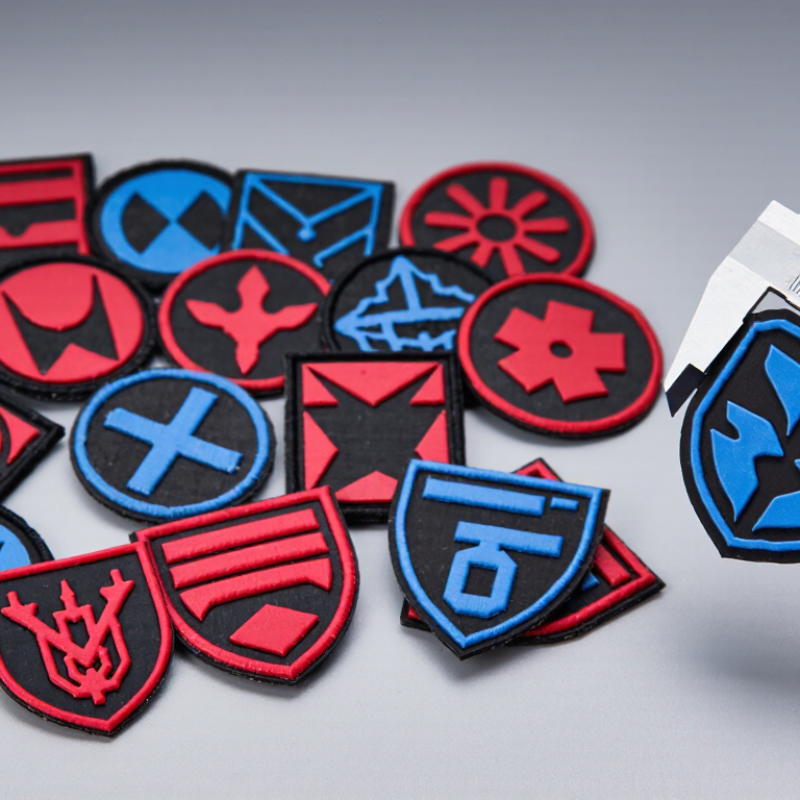
PVC rubber patches are molded from flexible PVC into a single, shaped design. Unlike embroidered patches, they can show raised borders, recessed lines, and smooth color blocks. Molded layers help separate small visual details. That matters. A clear edge can make a simple symbol easier to recognize on a moving bag or sleeve. PVC also handles everyday splashes and scuffs, though its feel and flexibility vary with thickness and formulation.
These patches commonly appear on uniforms, backpacks, jackets, sports gear, and event clothing. Teams may use them for numbers or emblems; outdoor groups may choose them because they are easy to wipe clean. Workwear designs often favor bold lettering that stays readable at a glance.
Attachment matters, too. Sew-on backing suits items that are washed or handled often, while hook-and-loop backing allows patches to be changed. Adhesive options can work for lighter-duty uses, but fabric texture and wear affect how well they hold. A polished sample is not a guarantee of lasting performance. Check the patch on the intended material, especially when tiny text or sharp corners are part of the design. Details count.
A PVC patch begins as artwork, but not every detail transfers cleanly into soft, raised material. A capable manufacturer reviews line thickness, spacing, and color layers before making a mold. Small details matter. Thin lettering may need wider strokes, while tiny gaps can close during production. The goal is to preserve the design’s character without promising detail that PVC cannot reliably hold.
After the artwork is approved, technicians create a mold that defines each color area and raised edge. Colored PVC is placed into the mold in layers, then heated and cured. The patch is trimmed, checked, and fitted with its selected backing, such as hook-and-loop or adhesive. A pre-production sample helps reveal issues early. Colors may look different on screen than in cured PVC, so a physical comparison is more useful than guesswork.
Good communication keeps the process grounded. Manufacturers should confirm dimensions, thickness, attachment method, and intended use before production. For example, a patch on a work bag may need stronger edge definition than one used on a light fabric cap. Even with careful preparation, a first sample may need adjustment. That is not wasted effort; it is where a design becomes practical, durable, and ready to wear.
A specialized PVC rubber patches manufacturer understands that a patch is more than a colored shape. Small details matter: raised borders, recessed lettering, color separation, and edge thickness all affect the finished piece. Experienced teams can review artwork, recommend workable relief depths, and flag fine lines that may soften during molding. That guidance is useful before tooling begins, when revisions are less disruptive.
Material and process choices also benefit from focused expertise. A manufacturer can discuss PVC flexibility, surface feel, attachment methods, and expected use, then make a sample for review. Check it in hand, not only on screen. Compare the actual colors, lettering clarity, and backing against the intended garment or bag. Ask how dimensions and colors are checked across production; clear inspection steps make quality easier to verify.
Communication is part of the value. A capable partner records approved artwork, measurements, and sample changes, giving later batches a clear reference. Still, specialization does not guarantee perfect results. A digital proof may hide a weak detail, and an approved sample may not answer every question about wear. Even experienced reviewers can miss something. A practical review before full production can prevent avoidable surprises.
When assessing a PVC patch manufacturer, request a sample made from your artwork, not a generic display piece. Check raised lines, recessed lettering, edges, and whether small details stay readable at the patch’s actual size. A clean mock-up can hide flaws. View the sample under daylight and indoor lighting, since colors may look different across screens and materials.
Ask how the manufacturer controls color, thickness, and flexibility between production runs. Confirm that the patch bends without cracking and that its edges feel smooth, not sharp or uneven. Request details about inspection steps, defect handling, and how approved samples are compared with finished batches. A perfect first sample is not proof of repeatability. No checklist catches everything.
Communication matters, too. Notice whether replies address your artwork, dimensions, backing, and delivery schedule, or offer only broad assurances. If the design has fine text or several colors, ask for a production sample before approving a large order. I would not treat a polished sales response as evidence of consistent output; the real test is whether the delivered patches match the approved sample. Keep that sample and record any color or size differences when reviewing the first batch.
Choosing a PVC rubber patches manufacturer means examining how each production decision shapes the finished patch. A clean mold, controlled material mixing, and consistent curing help preserve raised lettering and sharp edges. Ask how the factory checks color against your approved sample and measures thickness across batches. Small differences matter: a soft corner or muddy color can make a detailed emblem look cheap. I have seen specifications miss one practical detail: how the patch will attach to its backing. That oversight can lead to extra sampling and delays.
Production choices also affect cost and delivery. A simple mold may cost less, while intricate layers, fine text, and several colors can require more tooling time and inspection. Rushing approval or changing artwork after tooling begins may push back shipment. McKinsey Global Institute’s 2020 report, Risk, Resilience, and Rebalancing in Global Value Chains, estimates that disruptions lasting a month or longer occur about every 3.7 years on average. That is a broad supply-chain finding, not a patch-industry forecast, but it supports asking about material sourcing, backup capacity, and realistic lead times. Request a pre-production sample, written color and thickness tolerances, and a schedule that includes approval time. It may feel slower at the start. Often, it prevents expensive surprises later.
Thin letters and tiny gaps can soften or close during molding. Wider strokes may work better.
A mold defines the colors and raised edges. Layered PVC is heated, cured, trimmed, and fitted with a backing.
Screen colors can differ from cured PVC. Check the sample in hand.
Confirm dimensions, thickness, attachment method, and intended use. A work bag may need stronger edges than a light cap.
They can flag delicate lines and suggest workable relief depths before tooling begins. That can reduce disruptive revisions.
Match the backing to the item and its use. Hook-and-loop or adhesive may suit different surfaces.
No. A sample is a useful reference, not a complete answer about long-term wear. I might still overlook a detail.
Keep a clear record of artwork, measurements, and sample changes. Check colors and dimensions during production, too. Small checks help.
PVC rubber patches are durable, flexible, three-dimensional designs commonly used to identify teams, personalize clothing, and add detail to bags, hats, and other products. A pvc rubber patches manufacturer helps turn an idea into a finished patch by reviewing artwork, selecting suitable materials and colors, creating a mold, and refining the design for production. Clear communication during these steps can help ensure the final patch reflects the intended shape, texture, and level of detail.
Working with a specialized manufacturer can provide practical guidance on design feasibility, production methods, and quality control. When comparing suppliers, consider their experience, sample process, customization options, communication, and ability to meet your schedule. Choices such as patch thickness, size, color complexity, and order quantity can affect appearance, cost, and delivery time. Discussing these factors early helps set realistic expectations and supports a smoother path from design approval to completed patches.