Factory-direct technical trims, high-density transfers, and integrated sportswear cut-and-sew solutions produced to European Union safety regulations, OEKO-TEX Class 1, and REACH compliance.
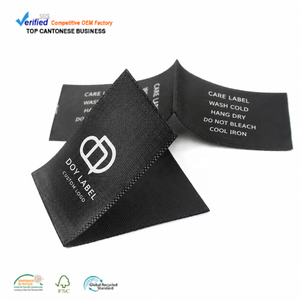
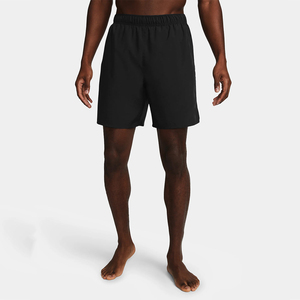
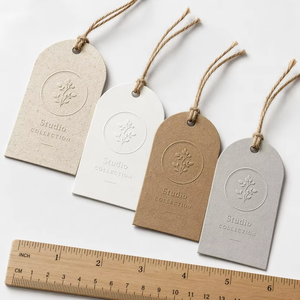
A deep-dive technical blueprint exploring chemical compliance, mechanical bonding stability, and European performance harmonizations for global brand buyers and supply chain executives.
CE marking on heat transfer badges and technical trims ensures complete adherence to European Union REACH (Registration, Evaluation, Authorisation, and Restriction of Chemicals). Our formulations undergo continuous gas chromatography-mass spectrometry (GC-MS) verification to guarantee non-detectable levels of restricted phthalates (DEHP, DBP, BBP), polycyclic aromatic hydrocarbons (PAHs), organotin compounds, and azo dyestuffs that cleave into carcinogenic arylamines under European standard EN 14362-1.
For high-visibility athletic teamwear, municipal uniforms, and industrial workwear, heat transfer safety emblems require formal conformity to EN ISO 20471:2013+A1:2016 Clause 6.1. Utilizing high-refractive-index glass microbead (nd ≥ 1.92) or micro-prismatic optical architectures, our silver reflective transfers provide photometric coefficient retroreflection levels surpassing 400 cd/(lx·m²), retaining mandatory visibility even after 50 industrial wash cycles at 60°C.
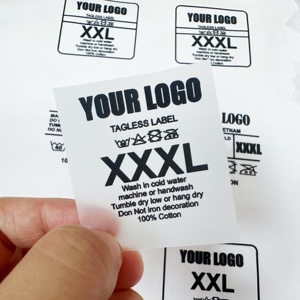
Direct-to-skin neck care labels and crests are engineered to pass the world's most rigorous human-ecological requirements: Product Class 1 for infants and toddlers up to 36 months. Our water-based polyurethane dispersion (PUD) inks and copolyamide adhesives undergo extreme sweat extraction testing to verify total heavy metal chelation (lead, cadmium, mercury < 0.1 mg/kg) and neutral pH skin biocompatibility (between 4.0 and 7.5), entirely preventing cutaneous allergic reactions.
Different active fabrics require custom rheological bonding properties. Below is our structural breakdown of the five primary transfer technologies powering international pro-club crests and premium athletic collections.
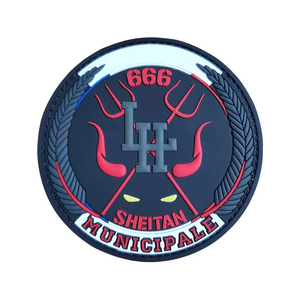
Fabricated by micro-injecting liquid silicone rubber (LSR) into CNC-milled brass dies under vacuum degassing. Offers Shore A hardness of 45-50 with velvet tactile surfaces, incredible flex resilience, and zero thermal degradation on high-spandex synthetic jerseys.
Engineered specifically for 100% dispersant-dyed polyester kits. Incorporates a micro-porous activated carbon or specialized synthetic blocking interlayer that absorbs sublimating gas molecules, preventing ghosting and dye migration permanently.
Formed using multi-layer thermoplastic polyurethane films welded at precise temperature thresholds. Capable of razor-sharp fine text lines down to 0.4mm, prismatic metallic sheen finishes, and dynamic 3D optical depths unavailable in flat embroidery.
A vintage collegiate aesthetic enhanced by industrial heat-activation backing. Combining high-pile acrylic loops and woven melton backing with engineered copolyester film, enabling rapid 15-second press attachment without garment-damaging interior thread loops.
| Transfer Chemistry | Polymer Substrate | Press Temp (°C) | Dwell Time | Pressure (Bar) | Peel Vector | ISO 6330 Wash Fastness |
|---|---|---|---|---|---|---|
| 3D Liquid Silicone Emblems | 100% Organosilicon Rubber | 155°C – 165°C | 12 – 15 sec | 4.0 – 5.0 | Cold Peel (≤30°C) | 50+ Cycles @ 40°C |
| Anti-Sublimation Blockout | Water-PU + Carbon Layer | 140°C – 150°C | 10 – 12 sec | 3.5 – 4.5 | Hot / Warm Peel | 40+ Cycles @ 60°C |
| Reflective Micro-Prismatic | Metalized Retro-Bead Resin | 145°C – 155°C | 12 – 14 sec | 3.0 – 4.0 | Cold Peel | 30+ Cycles @ 60°C |
| Ultra-Thin Neck Transfers | Aqueous Dispersion Resin | 150°C – 160°C | 6 – 8 sec | 4.0 – 5.0 | Instant Hot Peel | 50+ Cycles @ 40°C |
| Hybrid Chenille Appliqué | Acrylic Yarn + Melton Felt | 160°C – 170°C | 15 – 20 sec | 4.5 – 5.5 | Rear / Indirect Heat | 25+ Cycles @ 30°C |
How legislative directives from the European Green Deal, automated garment assembly, and intelligent track-and-trace technology are transforming trim procurement worldwide.
Under the upcoming EU Ecodesign for Sustainable Products Regulation (ESPR), multi-material garments that cannot be mechanically recycled will face severe punitive waste tariffs. The industry is rapidly migrating toward mono-material badge assemblies: 100% rPET (Recycled Polyethylene Terephthalate) heat transfers engineered on rPET carrier films with bio-based polyester hot-melts. This allows entire garments to be shredded and repolymerized without stripping emblems or trims.
Modern activewear utilizes ultra-fine microfibers, recycled elastane, and temperature-sensitive membrane laminations that suffer irreversible heat bruising, sheen marks, or shrinkage at conventional 160°C press temperatures. Next-generation trim procurement focuses on low-melt copolyamides activating fully between 110°C and 125°C under high mechanical shear, protecting sensitive fabrics while dramatically reducing factory cycle electricity.
Interactive club badges featuring encapsulated micro-NFC (Near Field Communication) silicon chips sealed within heat-resistant molded TPU. These badges resist repeated laundry cycles while granting consumers digital product passports (DPPs), instant proof-of-authenticity, and exclusive club-portal access through a tap of their smartphone, safeguarding brands against counterfeiting.
Detailed vector blueprinting, Pantone TCX matching, and 3D CNC mold tooling configured to exact shrinkage tolerances.
Pre-production strike-offs evaluated on target bulk fabrics for adhesion shear strength, peel force, and dye migration barriers.
Multi-nozzle digital screen printing and liquid silicone vulcanization with closed-loop optical sensors monitoring layer thicknesses.
Antistatic interleaved sheet packaging, climate-controlled carton sealing, and express global door-to-door delivery documentation.
Direct factory-floor control from our Defence Road industrial facility in Sialkot, Pakistan. By integrating technical trim fabrication directly alongside cut-and-sew garment manufacturing lines, we eliminate markups and shorten sample-to-shelf lead times.
Unlike trading middlemen who outsource badges to third-party workshops and garments to external contractors, our operation unifies pattern development, fabric knitting, laser cutting, automated embroidery, heat seal manufacturing, and garment press attachment under one single ISO 9001 certified roof.
Every production batch undergoes accredited destructive testing: Martindale rub abrasion tests (EN ISO 12947-2), tensile peel bond evaluation (ASTM D903) measuring pull resistance (targeting >30 N/25mm), and Xenon-arc accelerated artificial weathering (ISO 105-B02) for UV lightfastness.
We manage end-to-end commercial export documentation for international forwarders, issuing certified Certificates of Origin (COO), complete HS-code declarations, fumigation documentation, and packing lists optimized for seamless customs clearance into the UK, European Union, USA, and Australian ports.
Straightforward, engineering-backed answers addressing the practical challenges of heat transfer application, calibration, testing standards, and bulk export orders.
Collaborate directly with our technical engineering division. Access our full OEM catalog, request pre-production sample swatches, or submit your design tech packs for a formal factory FOB quotation within 24 hours.