 TPU High-Frequency
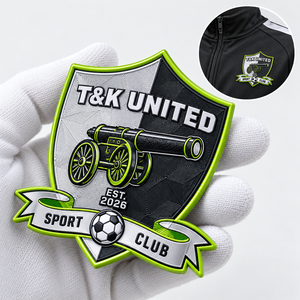
Explore our certified heat transfer label series, engineered for high-stretch activewear, heavy French Terry fleece, and professional football club kits with zero dye migration and superior wash fastness.
TPU High-Frequency
 Cardboard Trims
 High-Stretch Print
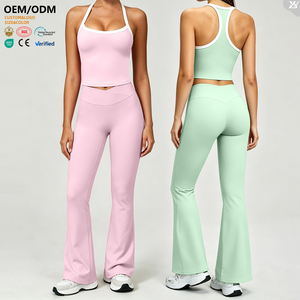 Thermal Transfer Ready
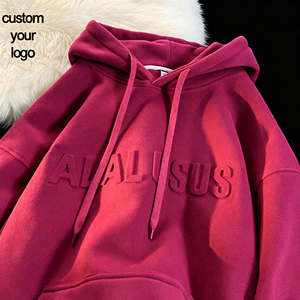 3D Embossed Thermal
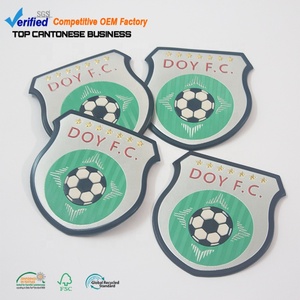 Metallic & Matte TPU
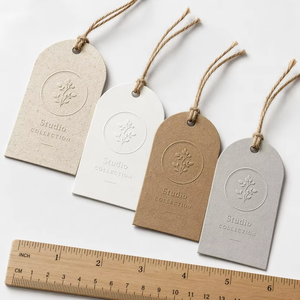 Eco Oatmeal Paper
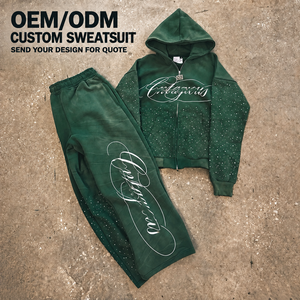 Vintage Wash Proof
In the contemporary global apparel and technical performance textile supply chain, the transition from conventional woven damask labels and direct screen printing to advanced heat transfer labels (tagless heat transfers) represents a decisive leap in both functional ergonomics and brand elevation. Modern sports kit manufacturers, technical intimates brands, and heavyweight luxury streetwear labels demand trims that exhibit skin-soft touch, zero friction, razor-sharp edge definition, and extreme chemical durability against domestic laundering, perspiration, and mechanical shearing.
As the primary manufacturing hub of the world, China's industrial label ecosystems—predominantly concentrated across the industrial clusters of Guangdong (Dongguan, Shenzhen, Guangzhou) and Zhejiang (Hangzhou, Ningbo, Wenzhou)—have evolved beyond rudimentary silk-screen operations. Today, premier Chinese heat transfer manufacturers operate within ISO 9001 and OEKO-TEX® Standard 100 Class I certified cleanrooms, utilizing automated roll-to-roll screen printing lines, precision vacuum heat-curing tunnels, and multi-layer digital-offset hybrid chemistry. This ensures that every tagless label, 3D raised silicone emblem, and high-frequency TPU badge adheres with absolute molecular consistency across treated nylons, water-repellent polyesters, and heavyweight organic cottons.
Crucial Technical Insight: Heat transfer label failure—manifesting as edge lifting, inter-layer delamination, cracking, or catastrophic dye bleed (sublimation migration)—is rarely caused solely by operator application errors. It originates in the chemical mismatch between the hot-melt adhesive layer (polyester, polyurethane, or polyamide base) and the recipient textile's finishing agents (fluorocarbon DWR coatings, silicone softeners, or reactive dye salts). Tier-1 Chinese suppliers formulate tailor-made barrier primers and variable-temperature polyurethane adhesives to counteract these dynamic textile variables.
A true commercial-grade heat transfer label engineered in a top-tier Chinese facility is not merely an inked film; it is a micro-engineered, multi-tiered polymer composite comprised of five distinct physical layers:
1. Carrier Release Film (PET Substrate): High-stability polyethylene terephthalate film, ranging from 75 to 100 microns in thickness, engineered with either a silicone or fluorochemical release release coating calibrated for precise release force (typically between 150 to 350 mN/25mm). Depending on technical branding requirements, this release coating determines the final finish: ultra-matte, satin velvet, or high-gloss optical clarity, while dictating peel dynamics (instant hot peel versus room-temperature cold peel).
2. High-Definition Top Coat & Detail Inks: High-opacity formulated inks formulated from aqueous polyurethane emulsions or medical-grade liquid silicones. These inks must withstand elongation factors exceeding 400% without micro-fissuring, ensuring compliance with strict environmental standards including REACH (EC 1907/2006), CPSIA, and Nike RSL standards regarding heavy metals, phthalates, and organotin compounds.
3. High-Opacity White Backing Layer: An intensely pigmented titanium dioxide (TiO2) base layer that provides complete optical opacity, ensuring that fluorescent colors, pristine whites, and delicate pastel tones remain optically true even when pressed onto pitch-black, dark navy, or variegated marl heather fabrics.
4. Active Anti-Sublimation Carbon/SBR Barrier (Optional but Essential for Polyesters): A specialized cross-linked barrier ink infused with active carbon particles or anti-bleeding synthetic resins. This barrier acts as a molecular sieve, trapping volatile disperse dye molecules emitted by synthetic polyester fibers during the thermal pressing cycle (130°C–160°C) and subsequent shelf-life storage, eliminating "sublimation ghosting" or logo discoloration.
5. Polyurethane Hot-Melt Adhesive: The terminal bonding interface, calibrated by melt flow index (MFI) and crystallization temperature. Thermoplastic polyurethane (TPU) adhesives are applied via precision screen coating or powder scatter sintering, delivering targeted activation between 110°C and 155°C while maintaining wash integrity up to 60°C home laundry and commercial dry cleaning.
Compare performance envelopes, application dynamics, and recommended substrates across major heat transfer label classifications manufactured in our cleanroom facilities.
| Technology Type | Core Polymer Inks | Standard Press Temp | Dwell Time & PSI | Peel Dynamic | Recommended Substrates | Wash Fastness Rating |
|---|---|---|---|---|---|---|
| Eco Water-Based PU Tagless | Aqueous Polyurethane | 135°C – 145°C | 10–12s | 3–4 Bar | Instant Hot Peel | Single Jersey, Cotton, Modal, Poly-Spandex | ISO 105-C06 50+ Washes (40°C) |
| 3D High-Density Silicone | Liquid Silicone Rubber (LSR) | 145°C – 155°C | 12–15s | 4–5 Bar | Cold Peel | French Terry, Heavy Fleece, Outerwear, Nylon | ISO 105-C06 50+ Washes (60°C) |
| 3D Molded High-Frequency TPU | Thermoplastic Polyurethane | 140°C – 150°C | 12–15s | 4–5 Bar | Cold Peel | Football Kits, Tracksuits, Shell Jackets | AATCC 61-2A 40+ Washes |
| Anti-Sublimation Charcoal Block | PU with Activated Carbon | 130°C – 140°C | 10–14s | 3.5–4 Bar | Warm / Cold Peel | Disperse-Dyed Polyester, Football Jerseys | ISO 105-C06 Anti-Bleed Class 5 |
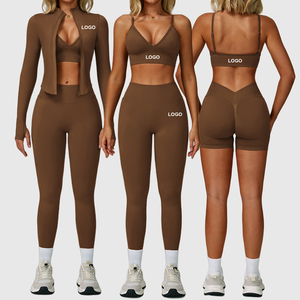
| High-Stretch Performance Film | Micro-Elastomeric Resin | 125°C – 135°C | 8–12s | 3 Bar | Hot Peel | Compression Wear, Seamless Leggings, Swimwear | ASTM D4964 Elastic Recovery >95% |
| Industrial Reflective / Prismatic | Micro-Glass Beads / Vinyl | 140°C – 150°C | 12–14s | 4 Bar | Cold Peel | Safety Apparel, Running Gear, Windbreakers | EN ISO 20471 Class 2 Compliant |
*Note: Technical parameters may vary based on heat press platen calibration and specific fabric chemical top-finishes. Always conduct pre-production strike-off wash trials before starting full-scale garment embellishment.
Anticipate structural evolutions in apparel trims sourcing. As regulatory frameworks tighten and functional activewear reaches higher technical thresholds, Chinese factories are leading key innovations.
The rapid transition toward post-consumer recycled polyesters, ultra-sheer polyamides, and bonded membrane textiles has made standard 160°C thermal bonding obsolete. Modern heat transfers now activate at 110°C–120°C with rapid 8-second dwell times, entirely eliminating fabric heat pressing marks, shine burns, and synthetic puckering on delicate fabrics.
With stringent ESG mandates implemented by the EU Digital Product Passport (DPP), top Chinese suppliers are replacing petroleum-based solvents with plant-based polyurethane resins and renewable castor-oil derivatives. Closed-loop water filtration systems ensure complete Zero Discharge of Hazardous Chemicals (ZDHC MRSL Level 3) across our dyeing and screen lines.
Branding labels are transforming into connected data portals. Chinese manufacturers now engineer flexible, heat-tolerant micro-NFC and UHF-RFID silicon antennas embedded directly into 3D silicone and molded TPU chest crests. These withstand high-pressure pressing cycles and repeated washing while facilitating brand authentication, consumer tap-to-engage experiences, and automated logistics tracking.
Bridging the gap between ultra-fine photorealistic gradient reproduction and the robust mechanical durability of industrial screen printing. Digital Direct-to-Film (DTF) combined with automated screen-printed solid PU base coats allows agile brands to order low minimums with unlimited photographic colors while maintaining institutional wash resistance.
Moving beyond flat transfers. Precision multi-pass liquid silicone injection creates sculpted, chamfered, and micro-grooved surface textures up to 1.2mm in height. These 3D tactile crests integrate vacuum metallization layers (brushed chrome, iridescent oil-slick, and prismatic holographic foils) for premier sports league badges.
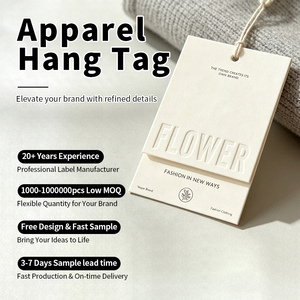
Global brands are drastically reducing supplier management overhead by sourcing complete trim-and-garment packages from unified manufacturing groups. By consolidating heat transfer labels, custom embossed hang tags, and cut-and-sew garment production within the same technical ecosystem, brands eliminate color-shift discrepancies and secure unified FOB/CIF freight terms.
Operating dedicated production capacity with specialized high-speed silk-screen lines, spectrophotometer color labs, and in-house environmental testing chambers.
Deal directly with the engineers running the machines, eliminating trading intermediaries. Direct oversight yields full transparency, competitive tier-1 export pricing, and custom formula adjustments tailored to your exact garment tech packs.
We turn vector tech packs (AI, PDF, CDR) into physical heat transfer strike-offs in 48 to 72 hours. Receive physical samples via DHL/FedEx courier for pressing and stretch verification before releasing bulk PO authorization.
Every production batch undergoes strict internal verification: Martindale abrasion tests, AATCC 61-2A accelerated home laundering (50 cycles at 40°C/60°C), crocking color fastness, and 200% mechanical tensile recovery tests.
Our color management lab utilizes Datacolor® spectrophotometers to ensure precise Pantone Matching System (PMS) accuracy with delta-E (ΔE) margins held strictly below 0.8 across high-volume production runs.
Achieving a permanent bond requires balancing the thermodynamic triad: Temperature, Dwell Time, and Specific Pressure. When thermal application issues arise on the garment assembly line, use our engineering diagnostic checklist below to identify and resolve root causes rapidly:
If transfer corners peel cleanly from the fabric after 1–5 washes with the adhesive backing remaining intact on the film, the cause is typically undercuring—the adhesive never reached its glass transition and melt flow temperature. Increase platen temperature by 5°C–10°C or prolong dwell time by 3 seconds. Conversely, if the adhesive has squished outward leaving adhesive halos while the ink layer splits, excessive pressure or temperature caused adhesive starvation, squeezing the molten bonding polymer out of the graphic zone.
Bubbles or craters across the transfer surface post-peeling indicate high moisture content within the textile fibers (especially prevalent in cotton, French terry, and rayon blends stored in humid factory environments). During the 150°C press cycle, trapped water flashes into steam, forcing its way through the molten ink layer. Corrective Protocol: Implement a mandatory 3-to-4-second pre-press platen cycle to de-humidify and flatten the substrate before positioning the label.
Disperse dyes used in red, royal blue, black, and neon polyesters volatilize and migrate into the transfer label ink when exposed to heat above 130°C. If your white logos turn light pink after 48 hours, your production requires our Active Charcoal Anti-Sublimation Transfer series. Furthermore, lower the application temperature to 125°C–130°C and compensate by extending dwell time to 14–16 seconds under 4 bar pneumatic pressure.
Shiny rectangular frame marks around the label indicate heat-induced crushing or thermal degradation of synthetic fibers (common on nylon and elastane). Solution: Utilize rubber platen cushioning pads with raised die pedestals sized precisely to the label footprint, transition to our low-temperature 115°C adhesive systems, and test our Teflon-free soft siliconized foam slip sheets.
Direct technical and commercial answers addressing low MOQs, testing compliance, vector formats, and FOB shipping protocols for apparel importers and brand founders.
For standard tagless neck heat transfers and water-based PU labels, our standard production MOQ begins at 500 to 1,000 pieces per artwork design. For high-frequency 3D TPU club crests and heavy molded silicone emblems requiring specialized brass or aluminum tooling molds, our production runs typically start at 100 to 500 pieces per design. Custom sample strike-offs for pre-production approval can be produced in batches as small as 10 to 50 pieces.
Hot Peel labels allow the factory operator to strip away the carrier film immediately (1–2 seconds) following platen release. This maximizes garment production line throughput (crucial for high-volume t-shirt and activewear runs) and leaves an ultra-soft, breathable matte surface. Cold Peel labels require the garment to cool down completely to room temperature before film removal. Cold peel is mandatory for ultra-fine micro-lines below 0.3mm, high-gloss finishes, and heavy multi-layer 3D high-density silicone or foil transfers to prevent dimensional graphic distortion.
Yes. All our aqueous screen inks, hot-melt adhesive primers, and release liners comply fully with OEKO-TEX® Standard 100 Class I (infants and toddlers up to 3 years), EU REACH Annex XVII, and California Proposition 65. Our labels are 100% free of formaldehyde, PVC, aromatic amines, organotin compounds, and restricted phthalates (DBP, BBP, DEHP, DINP), making them completely non-irritating for skin-contact intimate apparel, yoga sports bras, and infant bodysuits.
We require native vector files in Adobe Illustrator (.AI), Scalable Vector Graphics (.SVG), or high-resolution vector PDF (.PDF) with all typography converted to outlines/curves. Color specifications should be assigned according to the Pantone Solid Coated (PMS C) formula guide. For optimal physical printing, maintain minimum standalone stroke weights of 0.35mm (1.0 pt) and minimum negative space clearance of 0.45mm to ensure sharp screen release and crisp adhesive coverage.
Standard heat transfers will fail on water-repellent (DWR) treated surfaces due to silicone and fluoropolymer finishes blocking adhesive anchorage. For these technical textiles, we engineer a specialized Polyamide Low-Surface-Energy (LSE) Adhesive system that chemically micro-etches and locks into fluorocarbon-coated outer shells, bonded softshells, and ripstop windbreakers, withstanding intense rain wear and mechanical abrasion without lifting.
Physical sampling takes 3–5 working days upon digital proof sign-off. Bulk mass manufacturing requires 7–10 working days, depending on order complexity and total sheet volume. We routinely export under FOB Shenzhen, FOB Guangzhou, FOB Ningbo, or CIF/DAP worldwide via air express (DHL, FedEx, UPS 3–5 day delivery) or sea freight container consolidation for consolidated bulk garment trim shipments.