Constructed using high-recovery polyamide-spandex, recycled RPET interlock, and precision 4-needle 6-thread flatlock assembly. Each style serves as a customizable technical canvas for brand importers and fitness labels.
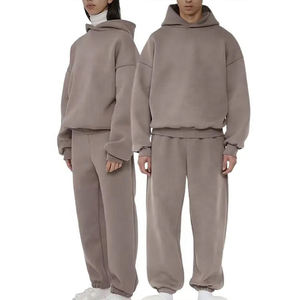
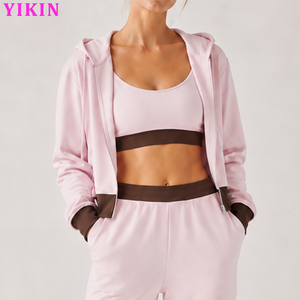
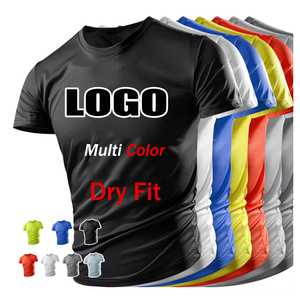
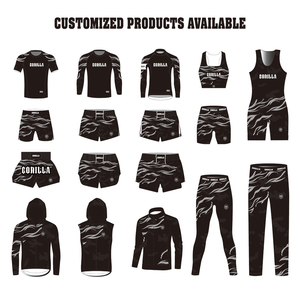
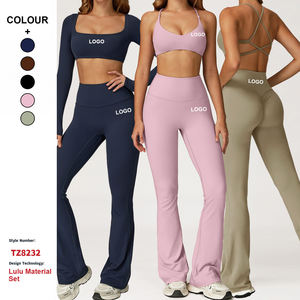
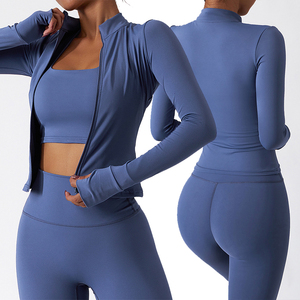
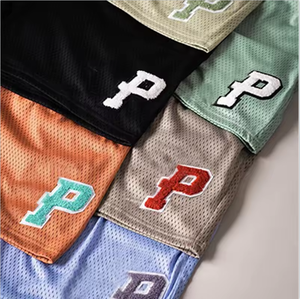
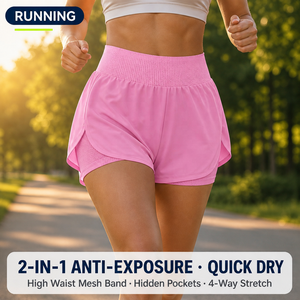
In the global activewear and technical fitness apparel landscape, the paradigm has shifted decisively from simple Cut, Make, and Trim (CMT) low-labor operations to vertically integrated material engineering. Modern premium fitness brands require tight dimensional tolerances, four-way elasticity that maintains modulus recovery across hundreds of washes, and zero-defect color matching between synthetic blends and raw trims. China's premier fitness clothing export clusters—primarily concentrated across Guangdong (Dongguan, Foshan, Zhongshan), Zhejiang (Shaoxing Keqiao, Ningbo, Yiwu), and Fujian (Jinjiang, Quanzhou)—maintain a decisive competitive advantage through end-to-end supply chain integration.
Unlike fragmented manufacturing destinations that depend on imported synthetic yarns and external chemical finishing facilities, top Chinese manufacturers control the entire value chain: from nylon 6,6 polymerization and circular warp-knitting to Dope-Dye waterless pigment infusion, automated CNC spreading/laser-cutting, and certified Cleanroom assembly. This structural density allows fitness exporters to compress developmental tech-pack cycles from 60 days down to under 7 business days, ensuring unprecedented speed-to-market for private label gymwear labels, cross-training brands, and institutional sportswear buyers.
A high-performance workout garment is not merely sewn; it is an engineered ergonomic system designed to manage moisture kinetics, thermoregulation, and mechanical compression during extreme dynamic load. When evaluating technical specifications with Chinese OEM factories, professional procurement directors scrutinize three foundational pillars:
High-grade running shirts and rashguards leverage cross-sectional hydrophilic yarns (such as Coolmax or customized channel filaments). The physical capillary action expels sweat away from the dermis toward the garment exterior 4x faster than untreated circular polyester, eliminating post-workout chill.
Squat-proof yoga leggings mandate 32G or 36G circular interlock machines rather than standard 24G/28G knitting. Utilizing genuine Creora or Lycra spandex filaments wrapped in micro-polyamide prevents elastomeric grinning and guarantees zero optical shear under maximum hamstring deflection.
High-intensity interval training (HIIT) and grappling garments depend on 4-needle 6-thread interlock stitching utilizing high-tenacity bonded textured nylon filaments. Flat, skin-level seam placement reduces frictional shear against the skin to absolute zero while delivering over 280 N tensile burst strength.
In addition to seam engineering, specialized bonding technologies—such as Framis Italia ultrasonic heat-sealing, laser-perforated aeration zones, and silicon gripper laminations—have moved from elite olympic gear into mainstream retail collections. As an authoritative exporter, Chinese fitness clothing factories integrate these capital-intensive machines into standard automated assembly lines, lowering unit surcharges for emerging direct-to-consumer (D2C) brands.
How progressive sportswear brands are adapting supply chains to meet stricter environmental mandates, near-zero inventory models, and technical fabric advancements.
Global retailers are phasing out virgin oil-derived polyesters in favor of GRS-certified post-consumer bottles and bio-based nylon synthesized from castor beans. Closed-loop chemical recycling guarantees yarn purity without compromising tensile performance.
Physical fabric swatches are converted into true-tension 3D avatars. Chinese pattern studios now simulate drape, pressure maps, and grading within 48 hours, reducing physical sample iterations by over 70% and accelerating production kickoffs.
Leveraging digital sublimation print beds and automated laser fabric cutters, tier-one factories support rapid in-season replenishment models, allowing brands to test dynamic seasonal color drops without taking on crippling inventory liability.
Next-gen gym apparel integrates thermoregulating phase-change materials (PCM) and graphene oxide prints that dissipate heat during intense anaerobic exertion while storing thermal energy during rest periods between sets.
Select the optimal technical blend and logo application methodology based on intended athletic performance criteria and retail target price points.
| Fabric Classification | Typical GSM Range | Key Performance Attributes | Primary Athletic Uses | Ideal Decoration Method | Comparative Unit Cost |
|---|---|---|---|---|---|
| Nylon 6,6 / Spandex (80/20) | 210 – 260 GSM | Buttery hand-feel, supreme colorfastness, anti-shearing recovery | High-end Yoga, Pilates, Sculpt Wear | Low-Temp Matte Silicone Heat Transfer | Tier 1 (Premium) |
| Recycled Polyester (RPET) Interlock | 160 – 220 GSM | GRS Certified, superior moisture dispersal, rapid drying | Gym Training, Crossfit, Team Apparel | All-Over Digital Eco-Sublimation | Tier 2 (Moderate) |
| Heavyweight Terry Cotton/Poly | 380 – 480 GSM | High insulation, shape retention, vintage drape | Pump Covers, Lifestyle Hoodies, Joggers | High-Density 3D Puff Print / Chenille | Tier 2 (Moderate) |
| Micro-Perforated Poly Mesh | 120 – 150 GSM | Featherweight, omnidirectional airflow, snag-resistant | Marathon Running, Basketball Shorts | Screen Printing / Reflective 3M Film | Tier 3 (Economical) |
| High-Tensile Poly-Elastane Blend | 240 – 280 GSM | Matte finish, high abrasion tolerance, UV 50+ protection | MMA, BJJ Rashguards, Compression Shorts | Deep Infiltration Sublimation Print | Tier 2 (Moderate) |
From digital tech pack analysis through automated cut-and-sew and global FOB/DDP logistical handling, our operational matrix delivers bankable certainty.
In-house Gerber and Lectra CAD systems guarantee precise international sizing curves: Asian, European, and North American sizing splits are graded with mathematically calibrated seam allowances for zero fitting discrepancies.
Every production run passes 4 distinct inspection phases: Raw Fabric Roll Inspection (4-Point System), In-Line Stitching Check, Final Dimension & Tension Audit, and Drop Needle Metal Detection prior to sealed polybagging.
Direct relationships with premier sea lines, air carriers, and customs brokerages across North America, Europe, the UK, and Australia ensure seamless landed delivery with import duties, tariffs, and clearance pre-handled.
Crucial answers regarding Minimum Order Quantities (MOQs), fabric certifications, developmental lead times, and risk mitigation when sourcing fitness apparel from China.
Connect directly with our senior activewear manufacturing engineers. Receive an itemized B2B FOB quote, fabric material swatches, and complete technical tech pack evaluations within 24 hours.