Our OEM liquid silicone compounding and micro-injection molding operations are tightly integrated into technical garment cut-and-sew platforms. Explore core apparel references configured with our proprietary high-shear, stretch-activated bonding technologies.
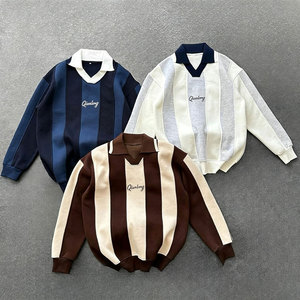
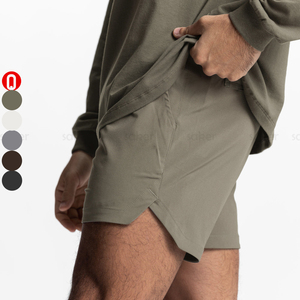
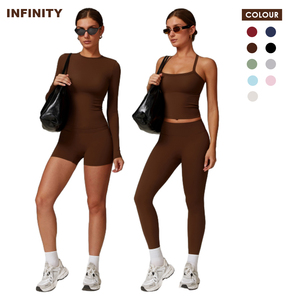
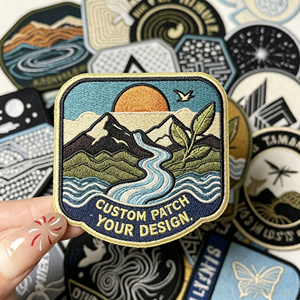
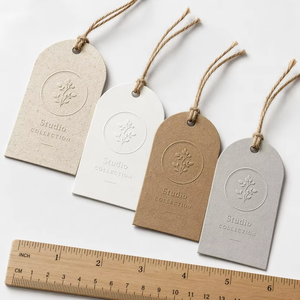
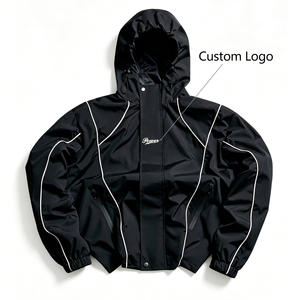

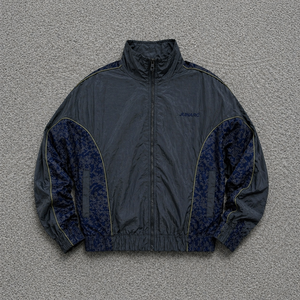
Modern functional textiles demand branding components that accommodate extreme cyclic elongation, sub-zero embrittlement resistance, and abrasive frictional contact without edge delamination. Our precision silicone manufacturing facility delivers specialized structural architectures tuned to exact fabric chemistries.
Engineered via multi-cavity precision brass and beryllium-copper tooling, these multi-tier structural emblems feature crisp relief, recessed stitching channels, and high-tensile perimeter bevels. Ideal for tactical gear, outerwear shells, and equipment bags requiring heavy abrasion resistance.
Formulated from ultra-pure Liquid Silicone Rubber cross-linked onto high-release carrier liners, these direct heat-activated transfers deliver 0.4mm to 1.8mm raised profiles with soft elastic recovery. They exhibit exceptional shear modulus matching 4-way stretch compression knits without puckering.
Combining the tactile elegance of debossed platinum silicone with technical backing substrates such as recycled woven polyester, microfiber twill, or vegetable-tanned leather. This multi-material engineering achieves a luxurious structural crest aesthetic for varsity jackets and club uniforms.
Engineered for high-visibility athleticwear and urban techwear shells, these specialized polymers blend microscopic glass sphere retroreflective beads (refractive index nd ≥ 1.93) or phosphorescent crystals into the liquid elastomer matrix, achieving safety-rated visibility standards.
Through microscopic plasma mold micro-etching and chemical surface treatment, our cleanroom finishing removes all surface tackiness. The result is an ultra-velvety, skin-contact-safe ergonomic hand-feel that repels environmental lint, chalk dust, and airborne grease in gym environments.
Specifically developed to counter dispersed dye migration common in sublimated 100% polyester jersey knits. Incorporates an engineered active carbon black or specialized polymeric blocker interlayer that traps volatile dyestuffs during hot-head vacuum transfer bonding.
Direct technical benchmarking across silicone label categories to assist brand technical directors, sourcing managers, and trim quality assurance engineers in matching physical criteria to specific garment duties.
| Label Architecture | Primary Substrates | Hardness (Shore A) | Adhesive Activation Window | Wash Fastness (ISO 6330) | Key Compliance Norms |
|---|---|---|---|---|---|
| 3D Direct Micro-Injection | Nylon Oxford, Cordura, Heavy Canvas | 50 – 65 | Sew-On Perimeter Channel / CoPA film | 60 Cycles @ 60°C | REACH SVHC, OEKO-TEX Standard 100 |
| LSR 3D Heat Transfer | 4-Way Polyester/Spandex, Recycled Nylon | 30 – 42 | 145°C – 155°C, 3.5 bar, 12s–15s | 50 Cycles @ 40°C | ZDHC Level 3, Nike RSL Compliant |
| Reflective Micro-Prismatic | Storm-shell laminates, DWR Outerwear | 45 – 55 | 140°C – 150°C, 4.0 bar, 15s | 40 Cycles @ 40°C | EN ISO 20471, ANSI/ISEA 107 |
| Silicone + Woven Twill Hybrid | Cotton Terry, Double-Knit Fleece | 40 – 60 | Sew-on or Low-Temp PES (130°C) | 50 Cycles @ 40°C | OEKO-TEX Class 1 (Infant Approved) |
| Direct Low-Temp LSR Blocker | Post-consumer recycled sublimated poly | 35 – 45 | 125°C – 135°C, 3.0 bar, 10s–12s | 45 Cycles @ 40°C | Global Recycled Standard (GRS) |
As the performance apparel manufacturing market moves toward 2030, systemic regulatory, environmental, and technological transformations are actively reshaping the procurement strategies of tier-1 and tier-2 athletic wear conglomerates.
Global legislative frameworks, including the EU Corporate Sustainability Due Diligence Directive (CSDDD) and Extended Producer Responsibility (EPR) mandates, are compelling apparel brands to design for complete circularity. Traditional polyvinyl chloride (PVC) badges disrupt mechanical polyester recycling systems through toxic chlorine formation during pyrolysis. In contrast, next-generation organosilicon compounds exhibit extreme thermal inertia without liberating hazardous halogens. Brand developers increasingly specify ultra-clean polydimethylsiloxane formulations that can either cleanly separate mechanically or cleanly degrade without contaminating PET re-pelletizing streams.
Standard heat-activated adhesives historically required hot-press platens reaching 165°C to 180°C to achieve stable peel shear strength. However, the rise of temperature-vulnerable, ultra-fine functional textiles—such as 10-denier ripstop nylon down-shells, recycled elastane blends, and delicate waterproof-breathable membranes—has made conventional high-temperature pressing obsolete, as it leaves noticeable shine marks and causes thermal degradation. Forward-thinking OEM factories engineer customized modified cross-linking thermoplastic polyurethanes (TPU) and polyolefin adhesives that achieve full shear bonding at 125°C to 135°C, protecting delicate substrates while slashing line-side carbon footprints.
The historical separation of garment cut-and-sew operations from offshore emblem suppliers routinely injects 3 to 5 weeks of lead-time latency, import tariff stack-ups, and color matching errors. Sialkot, Pakistan, has rapidly solidified its standing as an integrated manufacturing cluster where state-of-the-art tooling shops, silicone compounding labs, and large-scale apparel manufacturing run in parallel under one roof. Sourcing directors can authorize rapid brass tooling, approve sample strikes in 72 hours, and immediately transfer finished trims to line-side cut-and-sew lines, completely neutralizing trans-border freight friction.
Our ISO-certified manufacturing protocol bridges the gap between digital vector geometry and mass-scale automated vulcanization, delivering unyielding dimensional uniformity across multi-thousand unit production runs.
Your technical artwork is translated into 3D CNC toolpaths using micron-accurate multi-axis high-speed engraving centers. Draft angles, perimeter overflow flash reservoirs, and micro-text radiuses are optimized in solid brass or imported tool steel.
Raw polydimethylsiloxane gum is vacuum-blended with high-purity fumed silica reinforcers, platinum-hydrosilylation catalysts, and inorganic automotive-grade pigments calibrated against Pantone Solid Coated / TCX digital master libraries.
Computerized multi-nozzle micro-dispensers inject individual color gates into the heated mold cavities. High-tonnage pneumatic presses apply 180°C to 200°C vulcanization heat, inducing dense chemical cross-linking in seconds without pinholing.
Engineered co-polyamide or TPU heat-transfer backing films are thermal-fused to the reverse silicone face under precisely monitored dwell times. Finished labels undergo automated optical dimension scanning, peel-load evaluation, and export packaging.
Operating at the crossroads of industrial material chemistry and high-velocity teamwear execution, our Sialkot manufacturing plant delivers uncompromised production autonomy.
Unlike trading intermediaries that outsource production across disconnected sub-tier vendors, our Sialkot campus controls pattern-making, CNC mold cutting, liquid elastomer compounding, and cut-and-sew apparel construction. Direct technical communication guarantees zero communication drag between trim specs and final assembly.
Every silicone production lot is subjected to rigorous internal laboratory verification: ASTM D3359 cross-hatch tape adhesion tests, ASTM D903 180-degree peel tests, and accelerated wash aging under ISO 6330 conditions across 50 cycles at 60°C. We verify that no micro-tearing, color bleed, or adhesive delamination occurs.
With daily air and ocean export consolidation lanes to North America, the UK, Europe, and Australasia, our logistics team manages clean commercial invoices, packing lists, Generalized System of Preferences (GSP) Certificates of Origin, and airway bill handling. All production arrives cleared, labeled, and ready for immediate deployment.
Comprehensive engineering clarifications addressing critical material specifications, bonding pressures, color tolerances, and export shipping mechanics.
Consult with our senior tooling engineers, request physical material sample portfolios, or submit your 2D/3D vector artwork for rapid feasibility review, mold layout optimization, and volume export quotations.