Each production run unites structural fabric assembly with custom garment label placement—from high-density damask woven neck tags to 3D TPU thermal transfers and non-abrasive care labels.
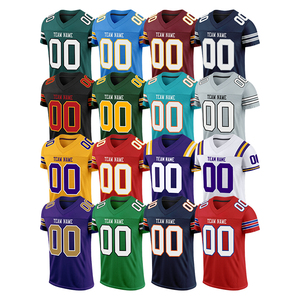
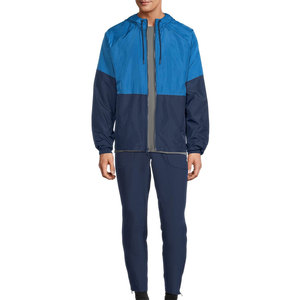
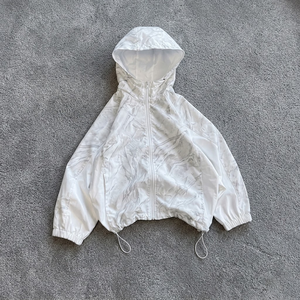
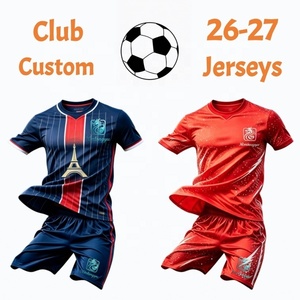
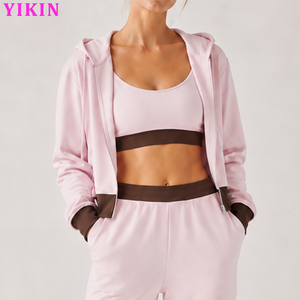
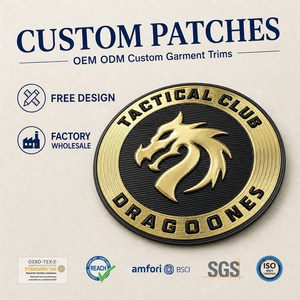

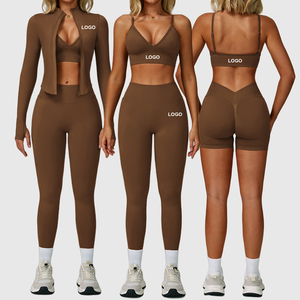
In modern industrial textile manufacturing, a garment label is no longer a tertiary branding accessory; it represents the critical nexus of consumer ergonomics, brand authenticity, regulatory legal compliance, and smart lifecycle management. Global apparel importers, licensed sports clubs, and performance brands require custom OEM wholesale garment label suppliers and exporters who comprehend the delicate chemistry between technical substrate textiles (such as recycled polyester, hydrophilic nylon-elastane, and micro-polar fleece) and the mechanical application of identification trims.
Navigating the supply chain requires understanding the performance thresholds across distinct label categories:
A. High-Definition Damask Woven Labels (50 Denier vs. 75 Denier): Standard garment manufacturing relies on 100 Denier or 75 Denier polyester yarns. For premium athletic wear and luxury teamwear, our manufacturing facilities deploy high-density 50 Denier warp and weft yarns on high-speed rapier looms. This doubles the pick count per square centimeter, allowing sub-millimeter typographic legibility, razor-sharp vector reproduction of club crests, and an ultra-soft ultrasonic-slit soft edge that eliminates skin irritation along the cervical spine.
B. Tagless Heat-Transfer Films & Anti-Sublimation Blockers: Skin-contact compression apparel, seamless workout leggings, and lightweight running windbreakers demand tagless solutions. However, when applying heat transfers to disperse-dyed polyester fabrics, gaseous dye molecules migrate into standard inks during thermal activation (dye sublimation bleed). Our export-grade heat transfers utilize proprietary polyurethane (PU) barrier layers formulated with activated carbon block-out resins, guaranteeing that white and vibrant logo prints remain chemically pristine across 50+ commercial wash cycles.
C. High-Frequency 3D TPU & Liquid Silicone Badges: Offering a dramatic tactile dimension, electroformed Thermoplastic Polyurethane (TPU) and injection-molded silicone crests deliver up to 2.5mm of sculptural relief. Engineered with high-strength hot-melt backings (activating at 140°C–160°C under 4–5 bar pressure), these badges withstand severe mechanical torque, saltwater immersion, and extreme outdoor weather without peeling or delamination.
| Label Technology | Core Substrate | Thermal / Weave Spec | Wash Durability | Primary OEM Application |
|---|---|---|---|---|
| Ultra-Dense Damask | 100% Recycled Poly (rPET) | 50D Warp & Weft, Ultrasonic Slit | 90°C Commercial | Tracksuits, Football Jerseys, Outerwear Neck Tags |
| Anti-Bleed Tagless PU | Polyurethane with Carbon Blocker | 150°C @ 12s, Cold Peel Film | 60°C AATCC 61-2A | Seamless Gym Clothes, Compression Leggings, Tees |
| 3D Raised High-Frequency TPU | Thermoplastic Elastomer Polymer | 145°C @ 15s, 0.4MPa Pressure | 50+ Cycles Intact | Hoodies, Training Jackets, Club Crests, Caps |
| Printed Soft Satin / Cotton | Continuous Filament Satin Ribbon | Letterpress Rotary Ink Curing | 40°C Delicate | Side Seam Legal Care Tags, Composition Disclosures |
| NFC / RFID Woven Matrix | Woven Polyester + Wet Inlay Microchip | UHF EPC Gen2 / ISO 14443A Encapsulated | Industrial Laundry Proof | Anti-Counterfeit Clubwear, DPP Traceability |
When sourcing OEM trims and garments for FOB export to the UK, European Union, North America, and Australia, regulatory compliance is non-negotiable. Our manufacturing facility in Sialkot, Pakistan, operates strictly within international frameworks:
Chemical Toxicity Limits: All yarns, inks, adhesives, and base films comply with OEKO-TEX Standard 100 (Annex 4, Product Class I for direct skin contact and infant wear), ensuring complete absence of harmful azo dyes, phthalates, formaldehyde, perfluorinated substances (PFAS), and heavy metals. REACH (EC No 1907/2006) certification is standard on all export batches.
Mandatory Legal Labeling Mandates: Global trade bodies enforce stringent rules for garment care labels. Under FTC regulations (16 CFR Part 303) in the United States and EU Textile Regulation (No 1007/2011), labels must unequivocally state generic fiber composition in descending percentage order, country of origin (e.g., "Made in Pakistan"), registered manufacturer identification (RN number or CA code), and standardized ASTM D5489 or ISO 3758 care symbol pictograms.
Strategically located on Defence Road, Sialkot, our end-to-end production facility converges precision trimming machinery with heavy industrial cut-and-sew apparel lines for unmatched speed, consistency, and export documentation accuracy.
Unlike regional middlemen or third-party trading agencies, we oversee every square meter of production inside the Madni Trade Zone on Defence Road. From automated loom weaving to cut-and-sew and final hot-press trim attachment, direct factory access ensures total quality governance.
We solve the traditional B2B paradox of high volume demands by offering agile starting MOQs of just 50 garments or 100 specialized custom badges/labels. Pre-production physical samples are delivered with verified lab dips and strike-offs prior to bulk authorization.
Shipping regularly to the UK, USA, Canada, Australia, and European Union ports, our export clearance desk prepares seamless FOB and DDP logistical documentation in-house, mitigating foreign port customs friction and container transit delays.
Analyze the structural shifts driving apparel supply chain modernization, from regulatory eco-mandates to smart connected garments.
The European Ecodesign for Sustainable Products Regulation (ESPR) is enforcing standardized Digital Product Passports. Garment labels are transforming into digital gateways via encoded high-durability QR codes and NFC chips embedded directly into woven edge tabs, cataloging fiber provenance, recyclability metrics, and factory chemical audits.
Traditional garments fail mechanical recycling because polyester apparel often carries cotton trims, metallic threads, and PVC labels that foul industrial shredders. The modern OEM procurement standard mandates 100% mono-material construction: 100% recycled PET garments matched with 100% rPET woven labels and hot-melt adhesives for closed-loop reprocessing.
Rough, hot-knife heat-sealed label borders that irritate the athlete's skin are rapidly being rendered obsolete. Modern procurement demands sub-zero ultrasonic acoustic slitting that creates micro-welded, velvet-smooth selvedges. Simultaneously, flexible UHF RFID inlays are being integrated inside woven structures to streamline warehouse inventory tracking.
Detailed answers regarding production tolerances, sample turnarounds, international export terms, and chemical resistance.
Sublimation migration occurs when disperse dyes in polyester kits reactivate under the heat of label application, tinting white labels pink or gray. We deploy specialized low-temperature anti-migration PU transfers that integrate an active carbon-barrier layer. Furthermore, our application presses are calibrated with digital thermistors to bond at 135°C–140°C, strictly beneath the thermal migration threshold of polyester disperse inks.
For standalone trims such as custom woven damask labels, embroidered club crests, and 3D TPU heat transfer badges, our base MOQ starts at approximately 100 units. For complete cut-and-sew apparel orders—such as custom tracksuits, windbreakers, team kits, and gym sets—our manufacturing run begins at 50 pieces per design, allowing emerging brands and sports academies to launch viable commercial lines without excess capital exposure.
Yes. Every bulk purchase order is preceded by an authorized pre-production sample (PPS) process. We produce 1 to 3 fully finished prototype units incorporating your exact tech pack measurements, fabric weights (GSM), Pantone-matched dye lots, and branded trims. Bulk cutting and high-speed sewing commence only after you provide written physical or high-resolution photographic approval.
Our standard export quotation is framed under FOB Pakistan (Karachi Sea Port or Sialkot Air Cargo). Upon request, we coordinate door-to-door DDP shipments for express consignments. Our in-house export shipping office prepares full commercial documentation including certified packing lists, itemized invoices, certificates of origin (COO), bill of lading (B/L) tracking, and custom export carton labeling matching your 3PL fulfillment warehouse barcodes.
For high-elasticity, direct skin-contact performance fabrics (e.g., nylon-spandex yoga wear and compression shorts), tagless heat transfer labels are universally superior. They eliminate friction abrasions, weight, and edge curling. We utilize 4-way stretch elastic PU films printed with water-based polyurethane inks that expand dynamically with the textile without micro-cracking.
To fabricate weaving jacquard discs, silicone injection molds, and screen-printing plates, our design studio requires vector artwork files in Adobe Illustrator (.AI), Scalable Vector Graphics (.SVG), or high-precision Vector PDF. All typographic fonts must be outlined (converted to curves), and color standards should designate standardized Pantone Matching System (PMS Formula Guide Coated/Uncoated) codes.
Connect with our Sialkot manufacturing engineering team today. Send us your rough sketches, vector artwork, or tech packs to receive immediate pricing, MOQ matrices, and custom label trim options tailored to your destination market.