Examine our production versatility across technical fleece, sublimated club teamwear, compression shorts, and custom packaging. Order directly with flexible MOQs starting from 50 pieces.
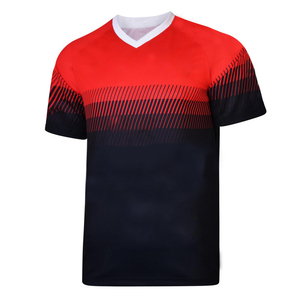 High Durability
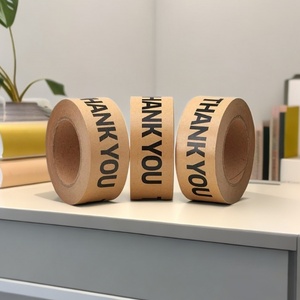 Eco Packaging
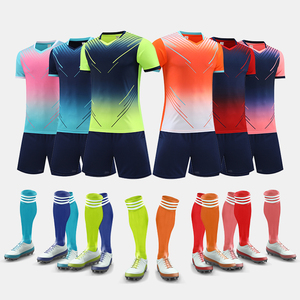 Pro Match Fit
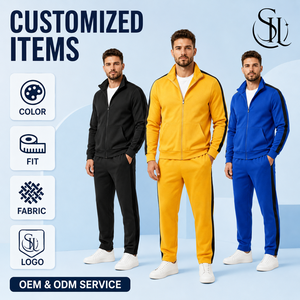 Streetwear Cut
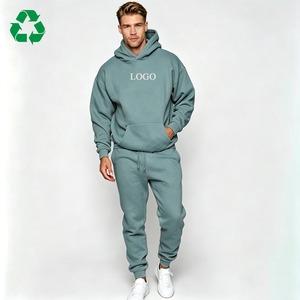 Heavy Fleece
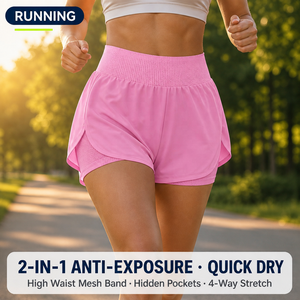 Active Stretch
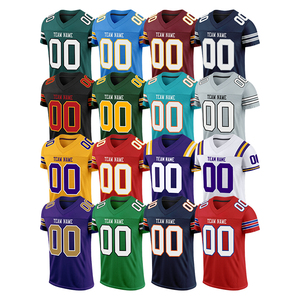 Tackle Twill
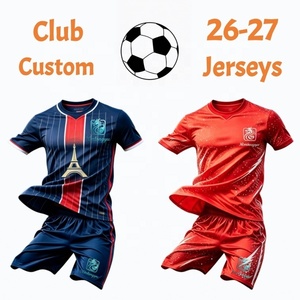 Club Archive
The global market for custom fleece hoodies has undergone a structural transformation. What was historically categorized as basic promotional merchandise has evolved into high-margin luxury streetwear, technical performance athleisure, and premium corporate identity apparel. Brands across North America, the United Kingdom, Australia, and the European Union no longer accept generic tubular-knit blanks with synthetic coatings. Modern procurement directors require engineered loopback French terry, combed ring-spun cotton fleeces ranging from 360 to 520 GSM, zero-shrinkage sanforized finishes, and customized ergonomic patterning.
Achieving commercial success in this sector requires direct engagement with vertically integrated manufacturing facilities capable of combining yarn sourcing, precision knitting, reactive vat dyeing, precision pattern grading, and multi-tier decoration under a single roof. Sialkot, Pakistan, has consolidated its position as an international epicenter for this specialized manufacturing, blending deep athletic heritage with cutting-edge garment decoration, chenille letter patch production, and duty-efficient FOB export logistics. This whitepaper establishes the operational parameters, procurement frameworks, and technical criteria required to partner effectively with a top-tier custom fleece hoodies factory and exporter.
Evaluating an international manufacturing partner requires looking past outward sales presentations into actual manufacturing processes. Below is the multi-point technical matrix used by institutional retail apparel buyers and independent streetwear labels to evaluate the top 10 custom fleece hoodie manufacturers worldwide:
| Evaluation Parameter | Industry Standard (Commodity Grade) | Tier-1 Factory Benchmark (Maxso Sports Grade) | Impact on Private Label Brand |
|---|---|---|---|
| Yarn Quality & Spinning | Carded or open-end cotton yarn; 20s/1 count; coarse hand-feel with fiber shedding. | Combed compact ring-spun yarn; 30s/1 or 32s/2 count; long-staple cotton for zero pilling. | Silky exterior hand-feel; high-resolution direct-to-garment (DTG) & screen printing surface. |
| GSM Weight & Density | 260–300 GSM light fleece; loose gauge knitting subject to thermal droop and stretch. | 380–500 GSM heavy brushed fleece or dense loopback French terry with tightly compacted wales. | Structured streetwear drape, boxy silhouette retention, and superior thermal insulation. |
| Pre-Shrinkage & Stability | Standard calendered finish; 6% to 10% post-wash shrinkage; torque twisting at side seams. | Sanforized & pre-shrunk via tensionless tumble drying; ISO 6330 shrinkage tolerance < 3.0%. | Dimensional stability after repeat consumer laundering; zero seam twisting or pocket curling. |
| Rib-Knit Elasticity | 100% cotton 1x1 rib; loses elasticity after 3 washes; cuff and hem blowout. | 95/5 Cotton/Spandex 2x2 heavy rib (420–480 GSM); high rebound modulus and snap-back recovery. | Snug wrist closure, secure waist hugging, and long-term garment shape integrity. |
| Hood Construction | Single-ply hood or lightweight jersey lining with exposed raw overlock stitches. | Double-layered self-fabric hood, cross-over neck gusset, reinforced flatlock seams, no-drawcord or tipped metal aglets. | Structural posture that stands upright around the neck; luxury tactile feel. |
| Decoration Versatility | Subcontracted third-party plastisol screen printing; high defect rate and peeling. | In-house 3D puff embroidery, high-density chenille patches, silicone heat transfers, and DTG. | Single-source accountability, synchronized color palettes, and lower production lead times. |
| Compliance & Chemical Safety | Uncertified commercial dyes; potential presence of azo dyes, formaldehyde, or heavy metals. | OEKO-TEX Standard 100 Class I certified; GOTS organic cotton availability; ZDHC Level 3 dyes. | Unrestricted import into the EU, USA, UK, Canada, and Australia without custom seizure risk. |
| Minimum Order Agility | 500 to 1,000 pieces per colorway; rigid factory lines unable to support mid-market brands. | From 50 pieces per design with multi-size split allocation (S, M, L, XL, XXL). | Capital preservation, low inventory carry costs, and rapid market validation testing. |
| Seam Engineering | Standard 3-thread or 4-thread overlock with chainstitch; prone to unraveling. | 5-thread flatlock stitching, twin-needle topstitching at armholes, cuffs, and kangaroo pockets. | Extreme tear resistance under athletic strain; flat, friction-free interior seam comfort. |
| Export Documentation | Basic commercial invoice; delays at customs due to missing harmonized code or certificates. | Complete FOB/CIF paperwork: Form A, Certificate of Origin, packing list, carton barcodes. | Frictionless clearance through US Customs (CBP), UK Border Force, and European ports. |
A comprehensive guide for tech-pack developers and production managers to specify the exact yarn structures required for seasonal collections.
A balanced 80% Cotton / 20% Polyester blend engineered for volume commercial runs, athletic team training, and university merchandise. The polyester interior core provides tensile strength and low moisture absorption, while the 100% combed cotton exterior face prevents fleece pilling and ensures ink absorption during screen printing.
The benchmark standard for contemporary private label streetwear. Knitted with tightly spun 30s/2 yarn, this fabric undergoes a mechanical wire-brushing treatment on the underside to raise a plush thermal loft. Delivers substantial hand-feel, structured dropped-shoulder drapes, and reliable warmth without synthetic sweating.
An unbrushed loopback architecture characterized by neat circular yarn loops on the reverse face. Because no fibers are raised through brushing, French Terry provides natural breathability, exceptional moisture management, and substantial structural density. Favored by ultra-premium brands seeking architectural silhouettes.
How leading apparel brands are aligning technical procurement with environmental mandates, digital supply chains, and evolving consumer preferences.
Regulatory frameworks like the EU Corporate Sustainability Due Diligence Directive are accelerating the shift toward Global Recycled Standard (GRS) certified polyester cores combined with organic or Better Cotton Initiative (BCI) cotton faces. Forward-looking factories maintain chain-of-custody documentation from raw fiber to export container.
To mitigate markdowns and excess inventory risks, international buyers are transitioning away from monolithic 10,000-piece seasonal commitments. Modern production contracts establish pre-booked greige fabric reserves, allowing brands to place rapid 100-to-300 piece piece-dyed reorders with 15-day factory turnaround times.
Traditional pigment wash treatments consume up to 100 liters of water per hoodie. State-of-the-art facilities now deploy industrial ozone washing and nebulization machinery, achieving vintage fade aesthetics, enzyme softness, and salt washes while cutting chemical consumption by 65% and water use by 80%.
Sialkot represents one of the world's most concentrated clusters for technical sportswear, cut-and-sew fleece, and custom badges. Here is how Maxso Sports leverages this vertical ecosystem to provide institutional advantages.
By operating directly out of our Madni Trade Zone facility on Defence Road, Sialkot, we eliminate domestic agents and export trading middlemen. Buyers communicate directly with factory pattern makers, cutting technicians, and quality inspectors, guaranteeing exact spec execution and transparent FOB pricing.
Unlike factories that subcontract decoration, Maxso Sports houses computer-controlled multi-head embroidery, custom chenille varsity patch looping, high-definition woven crests, and rubberized PVC badge machines under one roof. Colors are matched precisely to Pantone standards across all garment components.
Every roll of raw fleece undergoes 4-point system inspection before laser or manual cutting. During assembly, garments pass in-line tension checks, seam strength audits, and metal detection. Final units undergo dimensional stability testing and pre-shipment pressing before individual poly-bagging.
We provide full export support for buyers in the UK, USA, Canada, Australia, and the EU. From commercial invoice generation, packing lists, and carton marking to coordinated air-freight (DHL/FedEx) or consolidated ocean container logistics (FOB Karachi), our export desk manages the compliance chain end-to-end.
Clear, practical answers addressing common technical and financial questions encountered by apparel buyers during factory negotiations.
Our standard production MOQ starts at 50 pieces per design/colorway, which can be distributed across standard size distributions (e.g., S, M, L, XL, XXL). For custom bespoke fabric knits with non-stock Pantone yarn dyeing, the minimum typically scales to 200–300 pieces to satisfy yarn dyeing vat capacities. We also offer rapid sample production runs (1–3 pieces) for pre-production approval before bulk cutting begins.
We employ a three-tier anti-shrinkage protocol. First, the greige knit fabric is washed and processed through an industrial sanforization stenter frame to compact the loops. Second, we execute pre-shrunk enzyme washes on bulk rolls prior to cutting. Third, all tech packs include calculated pattern allowance offsets calibrated to your target fabric. This keeps dimensional variation under 3% across length and width under standard commercial wash tests (ISO 6330).
Yes. Buyers can supply standard Pantone TCX, TPX, or PMS color codes. Our dye-house produces four-swatch lab dips (A, B, C, D variances under D65, TL84, and daylight illumination) within 5 working days. Bulk lot fabric dyeing commences only after physical lab-dip approval by the client's procurement or design team.
For screen printing, high-density transfers, and direct-to-garment (DTG), we require vector graphics in Adobe Illustrator (.AI), vector PDF, or EPS formats with all fonts outlined and color separations identified in solid spot colors. For embroidery and chenille letter patches, our digitization team can convert vector artwork or high-resolution 300 DPI raster files into Wilcom (.DST or .EMB) machine embroidery files with precise stitch densities and underlay setups.
Pre-production sampling (proto sample with custom trims and branding) generally takes 7 to 10 working days. Once the physical sample is signed off and deposit terms are confirmed, bulk cut-and-sew manufacturing requires 20 to 28 working days depending on order volume and decoration complexity. Express couriers (DHL/FedEx) deliver air freight shipments within 4–6 business days worldwide, while consolidated sea shipments (FOB Karachi) take 22–35 days depending on the destination port.
For standard initial orders, our FOB terms operate on a 30% production deposit upon proforma invoice sign-off, with the remaining 70% balance payable upon completion of production, verified through high-resolution pre-shipment photo/video inspection reports or independent third-party QC audits (e.g., SGS, QIMA). For established corporate programs and long-term brand partners, we can discuss Irrevocable Letters of Credit (L/C at sight) or open account credit terms.
Connect directly with our export engineering desk on Defence Road, Sialkot. Send your design brief, size charts, or reference photos to receive a detailed cost breakdown, FOB export quote, and pre-production sampling schedule within 24 hours.