Explore our export-certified line of high-tensile sublimation emblems, laser-cut custom badges, and coordinated technical athletic wear manufactured under strict ISO9001 and OEKO-TEX Standard 100 quality controls.
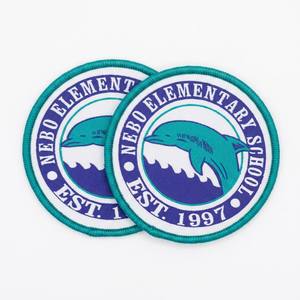
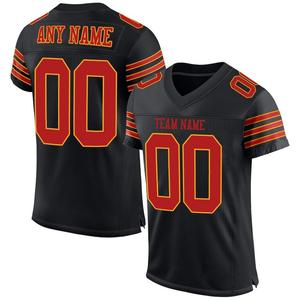
In modern industrial garment customization and corporate uniform branding, dye-sublimation patch technology represents the pinnacle of micro-detail fidelity, chromatic depth, and mechanical resilience. Unlike traditional surface screen-printing or heavy multi-ply thread embroidery, sublimation patch engineering relies on thermodynamic solid-gas phase transition. Disperse dye formulations undergo instantaneous gasification at controlled temperatures between 195°C and 215°C under uniform pneumatic pressure (4.0 to 6.0 bar). At this precise thermodynamic threshold, the amorphous polymer chains of synthetic polyester twill or ultra-dense micro-satin substrates relax, allowing gaseous chromophores to diffuse directly into the hydrophobic fiber matrix before recrystallization.
The result is a monolithic dye-fiber bond that completely eliminates the tactile stiffness, thread breakage, and cracking associated with traditional embellishment methods. For Tier-1 sportswear brands, tactical gear contractors, and educational uniform distributors, sublimation patches resolve the persistent dilemma of reproducing fine micro-typography, photorealistic tonal transitions, and vector gradient shading down to 0.15mm line weights without sacrificing wash longevity or garment drape.
Technical Information Gain: Dye sublimation patches engineered with 100% fine-gauge hydrophobic polyester twill (280–350 GSM) exhibit zero surface relief thickness increase, achieving a complete color-fastness rating of Grade 4.5 under ISO 105-C06 commercial wash standards (50 cycles at 60°C) with negligible Delta E chromatic drift.
A high-performance sublimation emblem requires an engineered synergy of three distinct layers: the printable face textile, perimeter border reinforcement, and functional structural backing. As a premier Chinese manufacturer and global exporter, our automated production lines calibrate each parameter based on final application requirements:
| Emblem Technology | Resolution / Color Fidelity | Tactile Hand-Feel | Washing Durability (60°C) | Gradient / Photo Capability | Optimal B2B Application |
|---|---|---|---|---|---|
| Dye-Sublimated Twill Patch | Ultra HD (1440+ DPI) | Soft, lightweight, flexible | 50+ Industrial Cycles | Full 16.7M RGB / CMYK Spectrum | Technical Sportswear, Activewear, Club Kits |
| Direct Jacquard Woven Badge | Medium-High (Thread Limited) | Crisp, compact, flat | 40+ Standard Cycles | Step-banding only (No smooth fade) | Brand Identity Tabs, Fine Crests |
| High-Density Embroidery | Medium (Stitch Gauge Bound) | Heavy, raised, stiff relief | 45+ Industrial Cycles | Impossible (Discrete thread shades) | Varsity Jackets, Caps, Outerwear |
| Hybrid Sublimated Embroidery | High (Sublimated Base + Stitch) | Textured multi-dimensional | 45+ Industrial Cycles | Detailed ground with 3D accents | Elite League Badges, Tactical Uniforms |
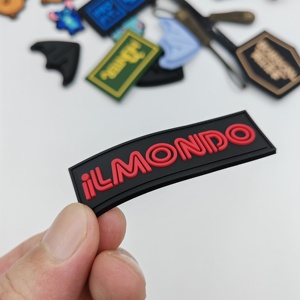
| Molded PVC / Silicone Emblem | Vector Sharp (Mould Defined) | Rubbery, waterproof, 3D | 60+ Extreme Weather Cycles | Solid Block Colors Only | Tactical Rucksacks, Marine & Heavy Outerwear |
Beyond optical performance, perimeter structural integrity prevents lateral fiber unraveling during high-friction athletic engagements. Our facility employs synchronized camera-vision CO2 laser ablation systems that simultaneously cauterize edge fibers at 1200°C while die-cutting the emblem shape. For heritage aesthetics, automated Japanese Tajima and Barudan marrowing heads apply an overlocked 3mm–4.5mm Merrow border using continuous-filament trilobal polyester threads, ensuring flawless edge durability.
By integrating raw substrate knitting, in-house disperse dye synthesis, precision thermal rolling, and computerized die-cutting, we provide international importers with unmatched production agility and price competitiveness.
Equipped with commercial Japanese Epson PrecisionCore micro-TFP and Mimaki sublimation lines operating high-density 8-channel ink delivery systems for true photographic tonal graduation and flawless solid Pantone matches.
We formulate proprietary heat-seal copolyester (PES) and copolyamide (PA) hot-melt adhesive backing membranes that activate at 135°C–155°C, ensuring dynamic peel-adhesion strength exceeding 32 N/cm without fabric puckering.
Multi-camera visual positioning laser stations automatically compensate for subtle fabric stretch during the thermal press cycle, maintaining precise cut tolerances of ±0.2mm across complex geometric custom contours.
As environmental mandates, smart garment integration, and agile direct-to-consumer inventory models disrupt legacy supply chains, B2B procurement leaders must align with four structural manufacturing trends.
Global apparel directives (including EU Ecodesign and US FTC Green Guides) are accelerating the complete transition to GRS-certified (Global Recycled Standard) recycled polyethylene terephthalate (rPET) twills. Combined with water-based disperse ink chemistries free from VOCs, heavy metals, and alkylphenol ethoxylates, eco-patches deliver zero virgin petroleum footprint without compromising tensile strength.
Procurement departments are moving away from flat single-medium trims toward high-tactility hybrid solutions. By merging sub-surface dye-sublimation gradient bases with 3D raised tactile silicone relief, metallic reflective foil highlights, or targeted tatami embroidery stitching, brands achieve high-luxury luxury aesthetics with rapid production velocity.
With Digital Product Passports (DPP) becoming mandatory across major athletic gear markets, sublimation patches are increasingly engineered with encapsulated, heat-shielded flexible NFC/RFID micro-inlays. Applied seamlessly beneath the adhesive backing layer, these connected trims empower fan authentication, provenance tracing, and exclusive digital experiences.
Leading sportswear aggregators optimize total landed cost (TLC) by sourcing bulk pre-printed sublimation patch roll stock and finished die-cut crests from China’s massive supply hub, while maintaining localized heat-seal press nodes near consumer markets for real-time personalization and sub-48-hour player jersey fulfillment.
Purchasing sublimation patches at scale from China requires meticulous technical specification to prevent application failures on finished apparel. Below is the standardized factory testing regimen every production run undergoes at our facility prior to export dispatch:
Every production master roll is scanned utilizing X-Rite Ci64 sphere spectrophotometers to verify that chromatic deviation remains strictly within CIELAB Delta E < 1.0 against customer-approved digital masters and physical swatch approvals.
Hot-melt adhesive backings are heat-activated onto target performance fabrics (spandex/poly blends, woven nylon, softshell) and tested on tensile pull testers to confirm bonding force exceeds 28–35 N/25mm before release.
Emblems are placed in QUV accelerated weathering chambers for 72 continuous hours under intense UV-A 340nm radiation to guarantee outdoor lightfastness exceeds Blue Wool Scale 5+ for professional athletic field use.
When applying our heat-activated sublimation patches to technical garments, team jerseys, or headwear, adhere strictly to the following parameters on commercial pneumatic heat presses (such as Stahls' Hotronix or Geo Knight dual-station machines):
Detailed technical, commercial, and logistical answers compiled by our international export engineering team to streamline your vendor evaluation process.