Custom Knitwear
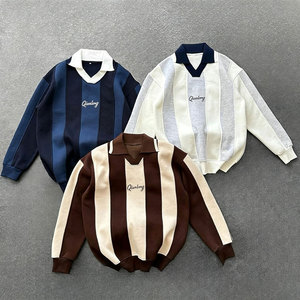
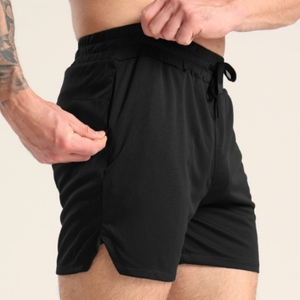
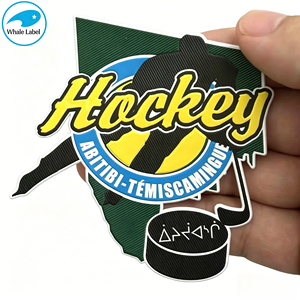
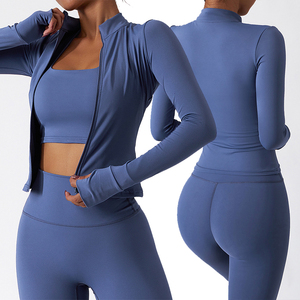
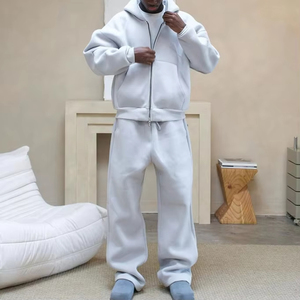
Examine our baseline production items manufactured directly in our certified facilities. Every item represents cut-and-sew engineering ready for precision chenille, tatami embroidery, or 3D TPU hot-melt integration.
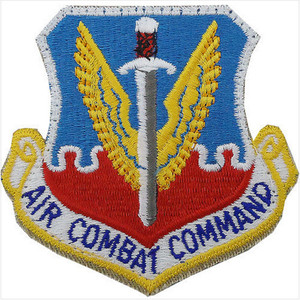
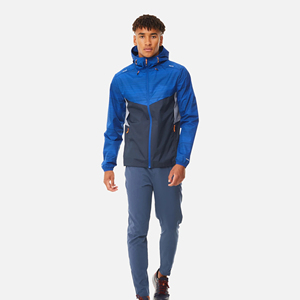
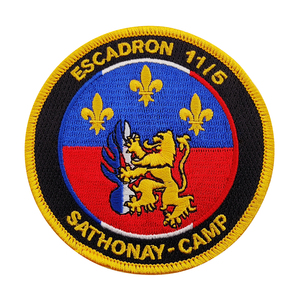
Chenille embroidery (derived from the French word for "caterpillar") is fundamentally different from standard flat or tatami embroidery. Sourcing high-end varsity letters, collegiate numbers, and streetwear insignia requires understanding four core engineering parameters.
Industrial chenille operates by feeding an acrylic or spun-polyester loop yarn through a specialized needle into a bottom chainstitch lock mechanism. Top-tier Chinese exporters utilize 100% High-Bulk Acrylic Yarn (28NM/2 or 32NM/2), providing wool-like softness, vivid dye saturation, and resilience against pile crushing under pressure. Sub-par suppliers often blend cheap rayon or low-twist polyester that unravels during wash cycles. Our calibrated pile heights span standard varsity (3.5mm to 4.2mm) to high-loft 3D architectural reliefs (5.5mm to 6.5mm), with a loop density exceeding 140 stitches/cm² to prevent visible gaps.
The stability of any chenille patch relies on its base foundation. High-end streetwear and authentic letterman varsity jackets demand double-layer felt construction. The primary top layer (often 320 GSM high-density polyester or 50% wool blend) holds the looped yarn, while the lower secondary tier provides the contrasting border. For luxury collections, genuine Melton Wool (450–520 GSM) is specified to resist edge curling during thermal pressing. Precision automated laser cutters seal the outer margins within a ±0.2mm tolerance, preventing fraying around intricate cursive letter loops.
The perimeter perimeter determines application flexibility and structural longevity. A classic Overlock Merrowed Border (3/16 inch standard) is ideal for geometric shapes (circles, shields, rectangles) applied to heavy outerwear. For complex multi-tiered fonts with interior cutaways (e.g., letters 'A', 'B', 'P'), an embroidery Satin Stitch Border combined with an automated optical camera laser cut provides crisp, non-raveling edges that seamlessly sew down to fleece hoodies, rugby jerseys, or nylon shells.
Choosing the correct adhesive film is critical to prevent field delamination. Standard consumer iron-on utilizes EVA glue, which breaks down after several machine washes. Professional factory direct exports utilize High-Melt Co-Polyamide (PA) films (0.12mm–0.15mm thickness) requiring 150°C–165°C at 4.0 Bar pressure for 18–25 seconds. For tactical activewear or windbreaker shells that cannot withstand intense heat, we supply military-grade hook-and-loop (Velcro) backings ultrasonically welded or dual-stitched around the perimeter.
Evaluate tactile presence, production efficiency, detail resolution, and unit economics across various patch manufacturing methodologies to align with your apparel collection budget.
| Embellishment Type | Tactile Thickness & Hand-Feel | Detail Rendering Capacity | AATCC Wash Durability | Optimal Apparel Substrates | Primary Commercial Use |
|---|---|---|---|---|---|
| Looped Chenille Patches | 3.5mm – 6.5mm Plush | Low to Medium (Letters, bold mascots) | 50+ Commercial Cycles (Sew-on) | Fleece, Melton Wool, Heavyweight Terry | Varsity Jackets, Streetwear Hoodies, Retro Activewear |
| High-Density 3D TPU | 1.2mm – 2.5mm Rigid/Flexible | Micro-Text (<0.5mm), Holographic Gradients | 60+ Domestic Cycles at 40°C | Polyester Interlock, Technical Windbreakers | Pro Football Club Badges, Olympic Kit Crests |
| Flat Embroidered Twill | 0.8mm – 1.5mm Textured | High (Clean typographic lines) | 75+ Commercial Cycles | Cotton Twill, Canvas, Denim, Polos | Corporate Uniforms, Workwear, Caps |
| Woven High-Def Damask | 0.3mm – 0.6mm Ultra-Flat | Ultra-High (Intricate photographic lines) | 100+ Commercial Cycles | T-Shirts, Base Layers, Performance Shorts | Interior Neck Labels, Hem Tabs, Sleeve Badges |
| Hybrid Chenille + Tatami | 2.0mm – 5.0mm Multi-Level | High (Chenille mass with embroidered accents) | 50+ Cycles (Standard cold cycle) | Heavyweight Outerwear, Boxy French Terry | Luxury Streetwear Collections, Esports Jackets |
Eliminating intermediaries directly lowers landed costs while guaranteeing strict color consistency and chemical compliance. Maxso Sports and its integrated manufacturing facilities in China and Sialkot combine computer-guided production with ISO-compliant testing procedures.
Our facility operates multi-head computerized chenille and chainstitch embroidery machinery equipped with automated thread-trimmers, dual-color loop selector units, and pneumatic loop-height sensors.
All yarns, dye chemicals, adhesive hot-melt backings, and felt carriers are certified to OEKO-TEX Standard 100 Class I (safe for infants) and comply with EU REACH & US CPSIA lead/phthalate thresholds.
Every batch of acrylic yarn undergoes digital colorimetric verification using Datacolor spectrophotometers under standard D65 daylight illuminants to keep Delta E variance under 0.8.
In-house Wilcom master digitizers optimize loop routing, pull compensation, and needle penetration sequences. Physical counter-samples ship within 48 to 72 hours via express courier with full HD inspection videos.
Driven by circular economy legislation, smart textiles, and high-fashion streetwear crossover, the chenille manufacturing landscape is evolving rapidly. Forward-thinking procurement managers are leveraging three major technological innovations.
With the European Corporate Sustainability Due Diligence Directive (CSDDD) taking effect, tier-one apparel brands are phasing out virgin acrylics. Our factories now produce chenille loops utilizing GRS (Global Recycled Standard) certified post-consumer rPET and recycled micro-acrylics. These yarns match virgin fiber tensile strength and lightfastness while reducing scope-3 carbon footprints by up to 34%.
Monolithic patches are giving way to mixed-media trims. Leading fashion houses combine plush chenille letters with 3D metallic TPU crests, sublimated photographic tatami backgrounds, and bullion wire contours on a single badge. These composite embellishments command higher retail price points on heavyweight 500 GSM luxury hoodies and varsity outerwear.
To combat counterfeit luxury apparel and enable interactive fan experiences, chenille patches are now engineered with hermetically sealed flexible NFC chips hidden between the double felt layers. Resistant to high-temperature thermal presses and industrial laundry wash cycles, these patches enable digital product passports (DPPs) required by future EU textile regulations.
Direct answers addressing technical tolerances, machine settings, bulk export logistics, and production timelines to prevent procurement missteps.
For our industrial Co-Polyamide (PA) hot-melt adhesive backing, we strongly recommend a flat-bed commercial pneumatic press. Set temperature to 155°C – 165°C (310°F – 330°F) with high pressure of 4.0 to 5.0 Bar (55–70 PSI). Press from the reverse (inside of the garment) for 18–22 seconds to allow thermal energy to melt the adhesive directly into the garment fibers without crushing the surface chenille pile. If pressing from the front, always use a thick Teflon or silicone pad with an additional 5 seconds dwell time.
Differential shrinkage causes patch bubbling or edge-curling after the first wash. We counter this by pre-steaming and heat-stabilizing all wool and polyester felts at 170°C prior to embroidery. Furthermore, our spun acrylic loop yarns are chemically scour-stabilized to ensure residual thermal and aqueous shrinkage does not exceed 1.2% under AATCC-135 laundry testing conditions.
Standard baseline production starts at 100 pieces per artwork/colorway. For complex hybrid pieces (combining chenille with custom mold-cast 3D TPU or metallic bullion wire), the MOQ is typically 250 to 500 pieces to absorb setup calibrations and cutting die fabrication costs. We provide 1 to 3 pre-production strike-offs for buyer approval prior to mass production runs.
Yes. While we stock over 350 standard commercial shades in high-bulk acrylic and polyester, custom hank dyeing is readily available for order volumes starting at 15kg of yarn (sufficient for roughly 1,200 to 2,000 standard 4-inch varsity letters). Lab dips on yarn swatches require 4 to 5 working days and are checked under D65 daylight, TL84 shop light, and UV optical brightener checkers.
All export consignments are accompanied by a clean Commercial Invoice, itemized Packing List with carton cubing/gross weights, Certificate of Origin (Form A, COO, or REX registration for preferential tariffs), bill of lading (BOL/Air Waybill), and mill chemical safety declarations. We routinely handle FOB Shenzhen, FOB Ningbo, CIF, and full DDP (Delivered Duty Paid) consignments via courier or consolidated air freight.
Due to the physics of the loop yarn and chainstitch mechanism, the minimum line width for an acrylic chenille loop is approximately 4.5mm (0.18 inches). Lettering smaller than 1.5 inches in height will lose its negative space (e.g., the centers of 'e', 'a', 'o' fill in). In such scenarios, our digitizers engineer a tatami embroidery hybrid: small typography is stitched with flat 40wt polyester filament thread, while the larger silhouettes retain thick chenille loft.
Vector digitization and initial strike-off sampling take 3 to 5 business days. Bulk production for orders of 500 to 5,000 units requires 10 to 14 business days following physical or digital pre-production sample sign-off. Express air freight (DHL, FedEx, UPS) delivers within 3 to 5 days globally, while sea cargo typically takes 18 to 28 days depending on the destination port.
We operate strictly under mutual Non-Disclosure Agreements (NDAs). Custom production molds, laser die-cut vectors, Wilcom embroidery files, and proprietary trims are archived in secure, restricted-access encrypted cloud servers. We never sell surplus customer badges, secondary overruns, or rejected stock to domestic wholesale markets or third-party liquidators.
Stop negotiating through third-party trading agents. Access factory-direct wholesale pricing, precision Wilcom digitizing support, physical lab strike-offs within 48 hours, and certified export compliance.