Explore our integrated apparel lines and custom rubberized badge developments. Engineered to withstand intense commercial laundry cycles, heavy UV exposure, and severe tactical operational loads without delamination or color fading.
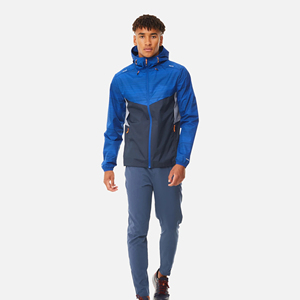 Waterproof Shell
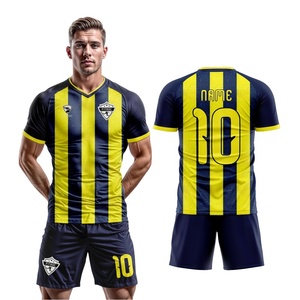 Pro Player Fit
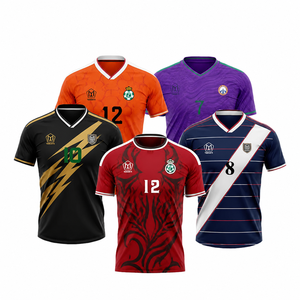 Sublimated Poly
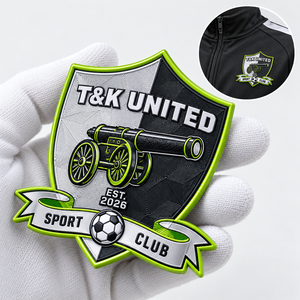 3D Metallic Crest
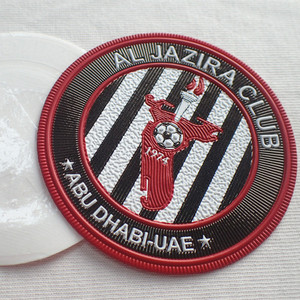 Micro-Embossed
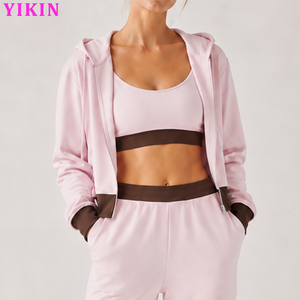 Recycled Eco-Knit
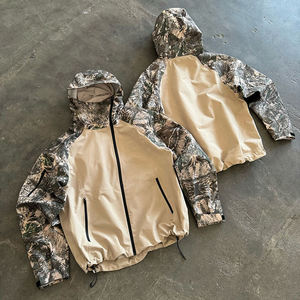 Ripstop Camo
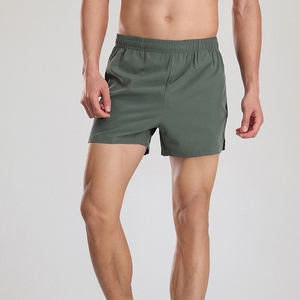 Athletic Cut
Why modern sportswear brands, military contractors, and technical apparel creators are moving away from traditional woven embroidery toward micro-injected plastisol, molded silicone, and high-frequency thermoplastic polyurethane.
Our plant operates multi-axis automated CNC micro-dispensing injectors that deliver liquid polyvinyl chloride (Plastisol) directly into mirror-polished CNC copper or aviation aluminum dies. This enables complex multi-layer designs without bleeding.
Consumer safety regulations (EU REACH Annex XVII, CPSIA Title I, Prop 65) strictly prohibit harmful ortho-phthalate plasticizers (DEHP, DBP, BBP). We exclusively formulate using DINCH, DOTP, and bio-based polymeric plasticizers.
A rubber emblem is only as reliable as its permanent bond to the garment. We engineer dedicated recessed sewing grooves, high-peel hook-and-loop backings, and engineered co-polyester thermal adhesives for diverse substrate conditions.
Most overseas buyers face severe coordination delays when purchasing rubber emblems from one trim shop and garments from a separate assembly factory. We eliminate that friction by providing fully integrated, direct factory apparel manufacturing and custom rubber trim production under one roof.
Operating from Defence Road, Sialkot, Pakistan, our facilities control everything from pattern grading, cutting, and stitching to micro-injection die making, silicone pressing, and sublimation.
Benefit for Importers: No finger-pointing between garment sewing factories and badge suppliers. If a patch fails adhesion or color matching, we resolve it internally without shipment delays.
We deploy high-speed 4-axis CNC engraving to fabricate production-ready brass test molds within 72 hours. You receive physical prototype samples with your exact PMS colors, texture profiles, and backings prior to bulk release.
Risk Elimination: Pre-production approval pieces are provided via HD macro photography and express courier, ensuring what you approve is what ships.
Exporting seamlessly to the United Kingdom, USA, Canada, Australia, and European Union member states. We furnish comprehensive documentation including Certificates of Origin, packing lists, and carton marking in-house.
Cost Optimization: Consolidate finished team tracksuits, jerseys, outerwear, and spare patch kits into a single customs declaration, slashing transatlantic freight overhead by up to 30%.
Make data-backed procurement choices. Understand how each trim medium performs under extreme tensile stress, water immersion, ultraviolet radiation, and high-frequency washing.
| Substrate Technology | Dimensional Depth | Micro-Text Resolution | Weather & UV Resistance | Weight Impact on Garment | Primary Industrial Use-Case |
|---|---|---|---|---|---|
| Soft Micro-Injected PVC | Extreme (3D Relief) | High (Down to 0.2mm stroke) | Superior (Hydrophobic, -30°C to +75°C) | Moderate to Heavy (1.8–3.5mm thick) | Tactical gear, heavy outerwear, bags, hats, velcro uniform sleeve patches |
| Thermoplastic TPU (Heat Transfer) | Medium (0.4–1.2mm) | Ultra-High (Metallic & Chrome effects) | Excellent (Flexible, oil & grease resistant) | Ultralight (Featherweight flex) | Pro player soccer kits, compression base layers, aerodynamic performance wear |
| Molded Solid Silicone | High (2D & 3D Stack) | High (Smooth velvet touch) | Maximum (Withstands 200°C autoclaving) | Moderate (Elastic & skin-friendly) | Swimwear, activewear next-to-skin logos, premium running jackets, gym apparel |
| High-Density Woven Damask | Flat (2D Textured) | Very High (Woven warp/weft yarns) | Moderate (Fibers fray, absorbs water) | Very Light | Collar size labels, internal care tags, vintage lifestyle sportswear branding |
| Classic Direct Embroidery | Medium (Thread Pile) | Low to Moderate (Thread thickness limits) | Good (Thread may snag under brush) | Moderate (Can stiffen light fabrics) | Traditional polo crests, varsity chest letters, fleece hoodie center badges |
How the global sporting goods supply chain is evolving. Stay ahead of regulatory shifts, digital asset integration, and next-generation composite bonding systems.
Stricter European Corporate Sustainability Due Diligence Directives (CSDDD) are driving demand for non-petroleum plasticizers. Factories are transitioning to plant-derived bio-PVC and recyclable Thermoplastic Elastomers (TPE) that drastically reduce cradle-to-gate carbon emissions without sacrificing tensile elasticity.
Smart rubber patches featuring internal, waterproof encapsulated NTAG microchips are being integrated into team kits and commercial outerwear. This facilitates real-time inventory tracking, anti-counterfeit verification, and direct digital fan engagement via mobile smartphone tapping.
Modern uniform designers are combining micro-injected 3D PVC with laser-cut ballistic Cordura, reflective 3M accents, and luminescent photoluminescent pigments. These hybrid composites offer striking high-contrast textures that standard printing cannot match.
Follow our four-stage production workflow designed to eliminate mold rework costs, prevent chromatic variance, and guarantee strict lead-time adherence.
Submit your artwork in vector format (.AI, .EPS, or .PDF). Our mold engineers create a calibrated 3D CNC toolpath file, setting relief bevel draft angles (minimum 7 degrees) and color border dams (0.25mm min width) to guarantee crisp polymer separation.
We engrave aircraft-grade brass or hardened steel molds via high-speed 25,000 RPM CNC machines. The tooling surfaces are micro-polished or chemical-etched to deliver your choice of matte, ultra-glossy, sand-textured, or leather-grain backing finishes.
Robotic multi-nozzle injectors dispense color-matched plastisol based on your specified Pantone Solid Coated references. Molds pass through zoned continuous infrared curing ovens at 180°C to 220°C, fully crosslinking the polymer chains without warping.
Depending on your technical requirements, emblems receive ultrasonic welded hook-and-loop backings, pre-cut thermal adhesive films, or calibrated perimeter sewing channels. Every batch undergoes 4-point mechanical shear and pull-off testing.
Comprehensive answers addressing mold amortizations, lead times, international chemical compliance, and attachment durability on technical water-repellent shell fabrics.
Mold tooling costs for custom 2D or 3D PVC patches typically range from $40 to $120 USD depending on size, multi-tier layer count, and design intricacy. This is a one-time fee: we maintain, store, and inventory your physical CNC dies in our Sialkot tooling vault for a guaranteed minimum of 24 months, meaning repeat production runs incur zero tooling expenses.
For standalone custom PVC rubber patches and TPU crests, our typical MOQ starts at 100 pieces per artwork design. When ordering full cut-and-sew apparel lines (such as sublimated team tracksuits, football kits, or technical windbreakers with custom emblems pre-attached), our garment MOQ starts at 50 sets per design, allowing mixed sizing distributions to accommodate athletic squad rosters.
We blend liquid plastisol pigment concentrates using digital precision colorimeters calibrated to the Pantone Matching System (Pantone Formula Guide Solid Coated). Because polymers undergo a minor specular shift during 200°C oven vulcanization, our chemical engineers calculate the thermal Delta-E index shift beforehand, ensuring cured emblems match your specified PMS swatch within ΔE < 1.0.
The ideal backing depends entirely on garment utility. For heavyweight outerwear, tactical plate carriers, and gym bags, an ultrasonically bonded Velcro hook-and-loop backing offers superior modular flexibility. For direct outerwear attachment without sewing thread exposure on the inner liner, recessed perimeter sewing channels (0.8mm deep) prevent thread shearing. For lightweight athletic jerseys, high-frequency TPU heat transfer films applied via heat press at 150°C provide a permanent bond with zero abrasive interior backing.
Standard hot-melt EVA adhesives will frequently fail on DWR (Durable Water Repellent) or Teflon-coated nylon fabrics because fluorocarbon finishes reject adhesive wetting. In these scenarios, we apply a specialized cross-linking aliphatic polyurethane (TPU) reactive film, or recommend incorporating a recessed perimeter sewing channel so the badge is mechanically stitched, ensuring zero edge-peeling across severe weather cycles.
Physical prototype mold creation and sample strike-offs are typically completed within 3 to 5 business days from 3D CAD approval. Once physical or macro-photo approval is confirmed, bulk patch production runs (1,000 to 10,000 units) require 10 to 14 business days. Full integrated apparel orders (cut, sew, print, and badge attachment) typically complete in 21 to 28 business days for FOB export dispatch.
Yes. Our cured plastisol and vulcanized silicone emblems are tested to withstand commercial laundering past 50 wash-and-tumble cycles at 60°C (140°F) in accordance with ISO 6330 standards. They resist cracking, shrinkage, and softening. Note: While resistant to incidental detergent exposure, PVC patches should not be exposed to concentrated perchloroethylene industrial dry-cleaning solvents.
Yes. Operating as an established FOB exporter from Sialkot, Pakistan, our logistics department prepares formal Commercial Invoices, Packing Lists itemized by carton gross/net weight, Bills of Lading, and GSP/Certificate of Origin documentation. We seamlessly interface with your nominated freight forwarder (DHL, FedEx, UPS, or sea container freight lines) for smooth clearance at destination customs.