Review our core range of Australian-spec custom apparel trims, high-density transfers, woven components, and custom cut-and-sew garments ready for private-label sampling and wholesale contract manufacturing.
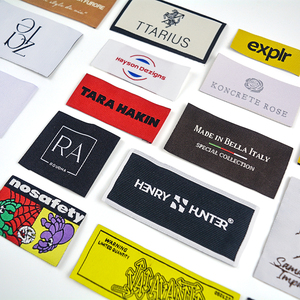
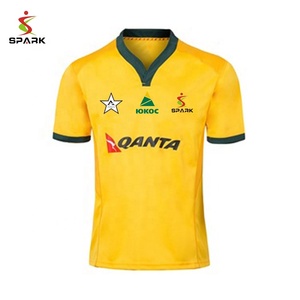
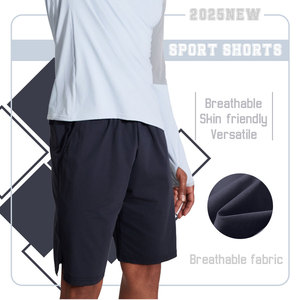
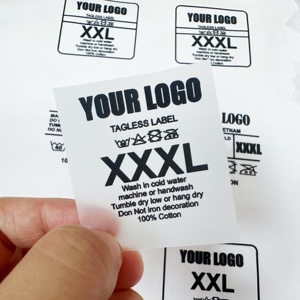
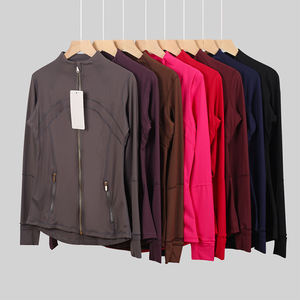
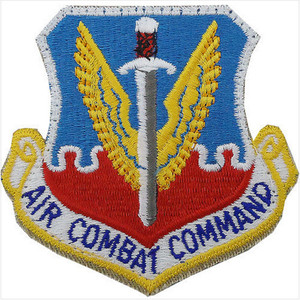
In the demanding Australian performance wear and commercial workwear sectors, garment branding is no longer a simple decorative afterthought—it is a critical mechanical trim component. Australian procurement managers, apparel brand directors, and teamwear syndicates operating from Sydney, Melbourne, Brisbane, and Perth face environmental stresses that quickly degrade standard garment embellishments. The combination of intense ultraviolet radiation (often exceeding UV Index 12 in northern states), aggressive sweat salinity, high-temperature industrial laundry cycles, and modern 4-way stretch compression fabrics necessitates heat transfer badge formulations engineered with surgical chemical precision.
As an integrated OEM manufacturer operating cut-and-sew apparel facilities alongside specialized trim-casting cleanrooms, we engineer custom heat transfers that resolve the historic failures of traditional iron-on badges. Where standard PVC transfers stiffen, crack under torque, and release carcinogenic plasticizers when subjected to high heat, our Australian-market badges utilize advanced bio-based Thermoplastic Polyurethane (TPU), micro-injected high-consistency liquid silicone rubber (LSR), and copolyamide/copolyester reactive hot-melt adhesive backing systems. These advanced substrates achieve complete molecular cross-linking with polyester, nylon, CORDURA®, and elastane blends without damaging technical DWR coatings or delicate moisture-wicking membranes.
Multi-level sculpted architectural emblems with prism, chrome, brushed metallic, or ultra-matte finishes. Precision injection down to 0.15mm line thickness creates sharp institutional crests without needle puncture.
Soft-touch, velvet feel featuring extraordinary mechanical elongation exceeding 400% recovery. Resistant to extreme heat exposure up to 130°C and completely inert to body oils and perspiration salts.
Incorporates an activated carbon-matrix sub-layer that traps migrating disperse dyes. Designed specifically to eliminate dye tinting when applying white or pastel emblems onto dark sublimated rugby and AFL jerseys.
B2B buyers across Australia cannot rely on "one-size-fits-all" transfers. Sourcing decisions must directly reflect the physical use case, compliance mandates, and sporting culture of the region. Below is an engineering overview of our OEM heat transfer deployments across major Australian apparel verticals:
Contact codes demand incredible shear resistance. Traditional heavy embroidery patches create skin abrasion across players' chests during tackles and hold moisture, adding deadweight. Our ultra-thin 3D silicone and TPU hybrid badges weigh less than 4 grams, bond directly to high-gauge polyester-elastane interlock fabrics, and withstand dynamic tackle stretch without delaminating.
Commercial contractors across Western Australia (Pilbara) and Queensland require corporate identity badging that withstands harsh commercial laundering. Our industrial-grade polyurethane heat transfers integrate glass-bead retro-reflective micro-prisms compliant with AS/NZS 1906.4:2010 retroreflective requirements and resist caustic 75°C wash regimes without peeling.
Australia's coastal culture subjects gear to intense solar degradation, sea water salinity, and chlorinated pool training. Our hydrophobic liquid silicone badges provide UV stability rated at Level 5 on the Blue Wool scale. They feature hydrolytic stability that prevents plasticizer breakdown and yellowing during continuous saltwater immersion.
Australian private grammar schools demand pristine institutional aesthetics alongside long lifecycle durability. Our micro-woven damask heat-sealed badges feature high-definition laser-cut borders with hot-melt copolyamide backing, replacing scratchy sew-on badges on school blazers, sports polos, and track jackets with clean, zero-itch precision.
The Australian garment manufacturing and contract decoration landscape has evolved rapidly over recent years. B2B buyers who previously relied on local domestic screen-printing or traditional embroidery are transitioning to integrated offshore OEM badge engineering for three strategic reasons:
1. Decarbonization and Chemical Toxicity Mandates: Australian institutions and public corporate tenders are actively enforcing ESG compliance. Traditional PVC (polyvinyl chloride) and phthalate-based plastisol inks are systematically excluded from corporate apparel guidelines. Our OEM production line operates under strict OEKO-TEX® Standard 100 Class 1 certifications, utilizing non-toxic, water-based polyurethane dispersion (PUD) inks and recycled polyester carrier films that eliminate volatile organic compounds (VOCs) during press application.
2. The Domination of 4-Way Stretch Compression Knits: From activewear labels along the Gold Coast to marathon events across Melbourne, technical fabrics now incorporate high percentages of Lycra® and elastane. Traditional stitched badges create a rigid "pucker" on lightweight fabrics, restricting garment stretch and tearing fabric threads over time. Elastic heat-applied badges maintain identical elasticity to the base knit, providing an unencumbered ergonomic fit.
3. Anti-Migration Technology for Fast-Turnaround Dye Sublimation: The explosion of customized sublimated clubwear across Australian netball, football, and cricket associations introduced a widespread technical headache: disperse dye migration (sublimation gas bleeding through white or yellow crests, turning them pink or grey). Our factory integrates an impenetrable barrier layer containing activated charcoal that traps sublimating dyes permanently, guaranteeing 100% color fidelity across seasonal play.
Achieving a permanent vulcanized bond between the heat seal adhesive and the textile surface requires exact calibration of thermodynamic parameters. The following engineering matrix provides baseline press specifications tested across commercial pneumatic heat-press machinery:
| Transfer Technology | Optimal Fabric Base | Temperature (°C) | Dwell Time (Sec) | Pressure (Bar / PSI) | Peel Type | Australian Standard Status |
|---|---|---|---|---|---|---|
| 3D High-Build TPU Badge | Polyester, Nylon, Interlock | 145°C – 155°C | 12 – 15 s | 4.0 – 5.0 Bar (60 PSI) | Cold Peel | AS 2001.5.4 Pass |
| Micro-Injected Liquid Silicone | Spandex, Lycra, Tri-blends | 150°C – 160°C | 15 – 18 s | 4.5 – 5.5 Bar (70 PSI) | Warm / Cold | AS 2001.4.21 Pass |
| Anti-Sublimation Carbon Badge | Sublimated Poly, Fleece | 135°C – 145°C | 12 – 14 s | 3.5 – 4.5 Bar (50 PSI) | Cold Peel | Zero Dye Bleed Pass |
| Laser-Cut Woven Heat Transfer | Cotton Twill, Heavy Piqué | 155°C – 165°C | 15 – 20 s | 5.0 – 6.0 Bar (80 PSI) | Cold Peel | AS 1957 Care Pass |
| Retro-Reflective Safety Film | Hi-Vis Poly, CORDURA® | 140°C – 150°C | 10 – 12 s | 4.0 Bar (55 PSI) | Warm Peel | AS/NZS 4602.1 Pass |
Maxso Sports functions not merely as an order-taker, but as a dedicated supply chain partner delivering vertically integrated apparel engineering. Unlike domestic Australian brokers who outsource production through multiple layers of intermediaries, our direct operations combine modern high-speed badge molding plants with full cut-and-sew garment facilities.
We craft precise brass and aluminum injection moulds directly from your vector tech packs within 48 to 72 hours, drastically reducing prototype lead times for Australian brands facing tight seasonal product launch windows.
Every production batch undergoes spectrophotometer color matching, high-temperature hydraulic wash cycle stresses, peel-torque testing, and zero-defect optical screening before export packing.
Comprehensive export documentation including commercial invoices, HS code classifications for Australian Customs (Duty free under applicable bilateral agreements), and expedited 4-day air-express logistics straight to your Australian distribution warehouse.
To assist Australian procurement officers, merchandise managers, and factory production teams in streamlining their RFQ process, we have compiled detailed operational answers addressing the most common technical questions:
Send your tech pack or logo vectors today. Receive an itemized B2B wholesale quotation, 3D relief engineering analysis, and complimentary pre-production sample pack dispatched directly to your Australian headquarters.