From technical moisture-wicking activewear sets to heavy streetwear hoodies and eco-friendly kraft packaging, our product lines integrate factory-direct thermal transfer and garment production capabilities.
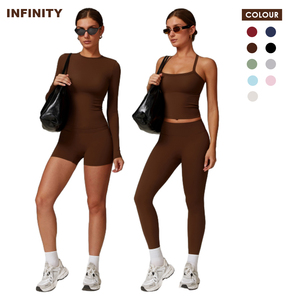
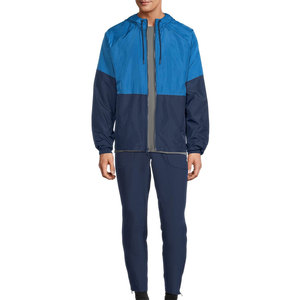
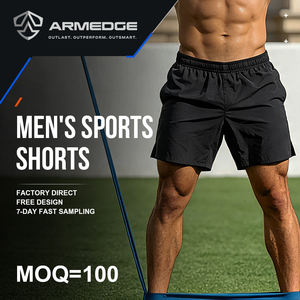
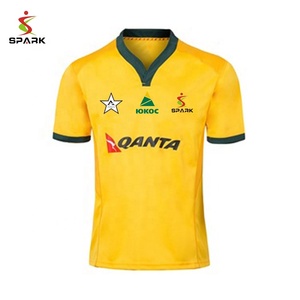
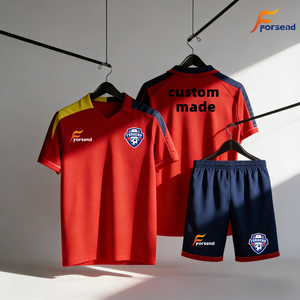
The apparel manufacturing corridor across the Klang Valley—spanning Kuala Lumpur, Petaling Jaya, Subang Jaya, Shah Alam, and Port Klang—operates at the intersection of high consumer sophistication and unforgiving tropical conditions. Sourcing thermal labels in this territory requires acute technical foresight. Conventional woven taffeta labels cause skin abrasion and trap moisture against the dermis, rendering them obsolete across contemporary athleisure, modest activewear, and performance uniforms.
The Tropical Degradation Vector: Peninsular Malaysia maintains an average relative humidity of 80% to 90% and year-round ambient temperatures between 28°C and 34°C. Standard PVC and low-grade acrylic plastisols suffer from accelerated hydrolytic cleavage—a chemical degradation process where hot moisture breaks down polymer backings, triggering edge delamination and chalky micro-cracking within just 5 to 10 wash cycles.
As an established original design manufacturer (OEM) and dedicated exporter servicing direct importers and apparel brands throughout Malaysia, we formulate our thermoplastic polyurethane (TPU) and high-density liquid silicone rubber (LSR) heat transfers to resist severe hydrolytic degradation. By cross-linking water-based polyurethanes with proprietary aliphatic isocyanates, our transfers retain more than 98% tensile elasticity even after repeated rigorous industrial laundry cycles (ISO 6330 Type 6A standard).
| Chemistry Formulation | Optimal Substrates | Pressing Parameters | Peeling Release | Dye-Migration Resistance | Wash Fastness Class |
|---|---|---|---|---|---|
| Aliphatic Silicone Rubber | Compression Lycra, Spandex, Rib Knits | 150°C–160°C · 3.5 Bar · 12s | Cold Peel | Absolute (Impervious) | Class 5.0 (60°C Heavy) |
| Water-Based Eco PU | Organic Cotton, Modal, French Terry | 135°C–145°C · 4.0 Bar · 10s | Hot / Warm Peel | Moderate Barrier | Class 4.5 (40°C Standard) |
| Sublimation Barrier (Carbon) | Disperse-Dyed Polyester, Football Kits | 130°C–140°C · 3.0 Bar · 14s | Cold Peel | Dual-Layer Activated | Class 5.0 (Industrial) |
| High-Reflective Micro-Glass | Nylon Shells, 75D Running Shorts | 145°C–155°C · 4.0 Bar · 10s | Warm Peel | Surface Vacuum Sealed | Class 4.5 (ANSI/ISEA 107) |
*All testing criteria conducted against continuous detergent wash cycles using neutral pH ratings, calibrated for commercial laundering operations throughout ASEAN ports.
Thermal labels must match the mechanical elasticity, surface tension, and visual identity required across Malaysia's leading fashion, industrial, and sporting hubs.
Kuala Lumpur is a global hub for modest activewear brands requiring ultra-light, feather-weight tagless heat transfers for moisture-wicking sport hijabs, tunics, and long-sleeve base layers where heavy tags induce irritation.
Marine logistics, petrochemical contractors, and manufacturing operations around Shah Alam and Port Klang demand high-visibility 3M reflective labels that withstand alkaline laundry, heavy soil, and high mechanical abrasion.
Sublimated polyester uniforms used across state leagues, youth football academies, and school tournament wear in Bukit Jalil require thermal labels with impermeable anti-migration barriers to lock disperse dye vapors.
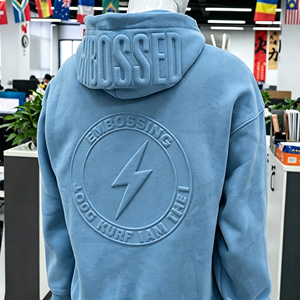
Independent fashion houses in Bangsar, Bukit Bintang, and Damansara demand tactile architectural textures. Our 3D molded silicone, high-density embossed patches, and metallic foils deliver a luxury boutique aesthetic.
How progressive Malaysian garment producers and regional fashion houses are re-evaluating thermal label supply chains through 2026 and beyond.
Global supply chain integration under CPTPP and RCEP is enforcing zero-halogen, non-phthalate compliance across Malaysian exporters. Apparel mills increasingly prohibit solvent-based transfers in favor of OEKO-TEX Standard 100 Class I water-based polyurethane chemistry suitable for babywear.
Rising labor costs in Selangor and Penang are driving garment manufacturers away from manual single-sheet flatbeds toward continuous roll-fed thermal press lines. Our roll transfers achieve cycle times under 1.2 seconds, boosting hourly production output by up to 340% with zero operator error.
Brands are converging thermal labels with secondary trim treatments—combining matte silicone bases with glossy high-build logos, or integrating reflective glass elements into full-color branding. This multi-dimensional look creates anti-counterfeiting value for established labels.
Direct-from-source precision, transparent B2B lead times, and global export infrastructure that eliminates middlemen markups for Malaysian importers.
From initial artwork separation and vector calibration to rotary screen emulsion coating, automatic drying tunnels, and computerized die-cutting, every production phase is executed under strict ISO 9001:2015 certified oversight.
Before batch release, sample cuts undergo standard Martindale abrasion checks, 50-cycle 60°C wash tests, hydrolytic aging chambers, and spectrophotometer Delta E checks (<0.8 tolerance) to guarantee strict Pantone matching.
We provide full export documentation—including Form E Certificate of Origin, HS Code classification, commercial invoices, and bilingual packing lists. Air cargo reaches Kuala Lumpur within 3 to 5 business days; consolidated sea freight arrives smoothly via Port Klang.
Clear, direct answers regarding custom sample runs, customs declarations, heat press calibrations, and low-MOQ ordering for Malaysian buyers.
Our standard production runs begin at 500 to 1,000 pieces per design for tagless care labels and neck prints. For premium 3D molded silicone patches and multi-color TPU emblems, order runs start at 250 pieces, making sampling and agile boutique brand runs cost-effective.
When pressing onto dyed polyester teamwear, disperse dyes vaporize and migrate into white or light transfer inks. We resolve this by applying an integrated carbon-black anti-sublimation block-out layer beneath the white base, chemically locking dispersed dye gases under high-temperature transfers.
Yes. Every shipment includes a comprehensive technical application parameter card specifying recommended temperature ranges (usually 140°C–155°C), pneumatic pressure thresholds (3.0 to 4.5 kg/cm²), dwell times (8–14 seconds), and release dynamics (Hot, Warm, or Cold Peel).
Thermal transfer labels are classified under HS Code 4908.90 (Transfers/Decalcomanias). We provide accurate commercial invoices, packing declarations, and preferential Certificate of Origin paperwork to support smooth customs clearance at KLIA cargo terminals or Port Klang (Northport/Westport).
Yes. We produce physical pre-production strike-offs within 3 to 5 business days from vector approval (AI, PDF, or high-res SVG). We courier physical sample swatches via DHL or FedEx straight to your office in Kuala Lumpur or Selangor for fit and stretch verification prior to bulk production.
Our release liners are vacuum-sealed inside double-wall poly-barrier export cartons containing silica desiccant pouches. Even in Southeast Asia's high humidity, our dry-hot-melt adhesives maintain optimal bonding power for up to 18 months when stored away from direct sunlight at standard indoor room temperatures (22°C–28°C).
Connect directly with our export engineering desk. Submit your technical drawings, Pantone references, and fabric details to receive exact FOB/CIF pricing, MOQ thresholds, and a custom sample pack within 24 hours.