Direct OEM cut-and-sew apparel bases and industrial trim solutions calibrated for thermal application, technical stretch endurance, and high-frequency athletic stress.
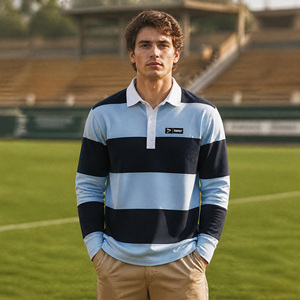
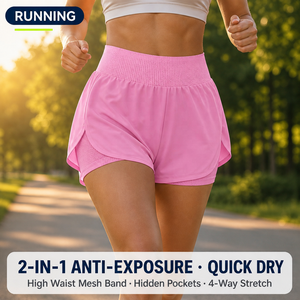
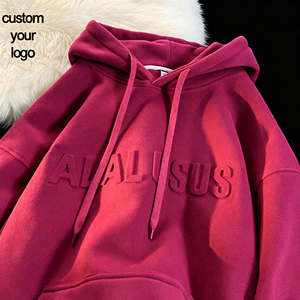
Greater Los Angeles stands as North America's unrivaled nerve center for athletic apparel innovation, lifestyle athleisure, and streetwear brand creation. From the historic cutting rooms of the Downtown Los Angeles (DTLA) Fashion District to the expansive contract manufacturing and logistics corridors across Vernon, Commerce, and the City of Industry, apparel decorators are systematically abandoning rigid, thread-heavy direct embroidery in favor of engineered heat transfer sports badges.
Modern technical sportswear relies on ultra-light synthetic textiles—micro-polyester jerseys, four-way stretch interlocks, and elastane-infused compression blends. When traditional direct embroidery is applied to these featherweight substrates, the tens of thousands of dense needle punctures rupture yarn filaments, leading to pucker distortion, chafing friction against athlete skin, and severe weight penalties under perspiration.
Our proprietary thermal transfer badges utilize solvent-free, multi-layered liquid silicone and thermoplastic polyurethane (TPU) matrices bonded with high-elasticity thermoset adhesives. The result is a zero-friction, skin-safe athletic emblem that dynamically elongates alongside technical stretch fabrics, preserving 100% elastic recovery without edge lifting, micro-cracking, or color fatigue.
Comprehensive specification benchmarking for apparel production executives, sourcing specialists, and technical designers.
| Badge Technology | Material Core | Stretch & Elastic Recovery | Dye Migration Resistance | Wash Durability (AATCC 61) | Target Garment Substrates |
|---|---|---|---|---|---|
| 3D High-Density Silicone | Liquid Organic Silicone Elastomer | Extreme (>300%) | Built-in Chemical Barrier | 60+ Cycles @ 60°C | Gymshark-style Seamless, Pro Soccer Kits, Activewear |
| Molded 3D TPU Crest | Thermoplastic Polyurethane Film | High (>150%) | Active Carbon Layer Optional | 50+ Cycles @ 40°C | MLS Match Kits, Varsity Tracksuits, Outerwear |
| Subli-Block Carbon Transfer | Screen-Printed Polyurethane + Carbon | Moderate (>120%) | Total 100% Anti-Bleed | 50+ Cycles @ 40°C | Sublimated Polyester Teamwear, Cycling Tops |
| Micro-Woven Thermal Patch | High-Density 50D Polyester Yarn | Low (>15%) | Polyester Interlining | 50+ Cycles @ 60°C | Rugby Polos, Club Heritage Crests, Heavy Fleece |
| Reflective High-Viz Transfer | Micro-Prismatic Glass Bead Adhesive | High (>180%) | Standard Polyurethane | 40+ Cycles @ 40°C | Running Singlets, Marathon Gear, Cycling Jackets |
Our heat transfer sports emblems and cut-and-sew apparel bases solve real-world engineering bottlenecks for five core market verticals throughout Southern California.
Serving Southern California's dense soccer pyramid—spanning elite USL franchises, UPSL championship leagues, and NCAA Division 1 programs. These organizations demand zero-weight, three-dimensional crests that eliminate garment drag during match play. Our molded 3D TPU transfers mirror the precise structural depth of UEFA Champions League and MLS matchday kits, resisting aggressive tackle abrasion and high-saline perspiration.
Direct-to-consumer fitness labels situated around Venice Beach, Santa Monica, and the DTLA Arts District build customer loyalty upon subtle, tactile luxury. Our high-density matte liquid silicone transfers deliver a velvety rubberized finish that remains completely impervious to oil buildup, sunscreen chemicals, and repeated hot-yoga washing cycles on buttery-soft nylon-spandex leggings.
Organizers of premier events like the Los Angeles Marathon, Long Beach Marathon, and coastal triathlon invitationals require ANSI/ISEA compliant reflective heat transfers. Engineered using microscopic wide-angle glass beads, these transfers reflect headlights at distances exceeding 500 feet while flexing continuously across ultralight perforated polyester race jerseys without cracking.
High-throughput apparel screen printers and contract decorators across Vernon and City of Industry frequently face dye migration rejects on red and black sublimated team orders. Our transfer badges feature integrated sub-dye blocker layers (activated carbon barrier films) that completely arrest volatile disperse dyes from migrating into white or pastel emblems during heat pressing.
Film studios and commercial production costume houses throughout Burbank and Hollywood demand rapid prototyping of authentic sports uniforms, military unit badges, and athletic hero costumes. We facilitate 3-to-5 day rapid sampling runs with low minimums, enabling costume masters to apply photorealistic, studio-grade emblems using standard heat press units on short notice.
Youth sports clubs, club soccer associations, and private high school athletic departments in Orange County and the San Fernando Valley require coordinated branding across fleece hoodies, training tops, and kit bags. Our heat transfers ensure brand crests appear identical across both woven polyesters and 450 GSM heavyweight cotton loopback fleeces.
Market insights gathered from direct collaboration with apparel sourcing directors across the Los Angeles metropolitan territory.
Traditional heat transfer adhesives required pressing temperatures of 160°C to 175°C, causing heat press "burn marks", permanent fabric glazing, and severe dye sublimation bleeding on heat-sensitive recycled synthetic yarns. Forward-thinking Los Angeles production managers now demand modified low-melt polyurethane (PU) adhesives that activate reliably between 120°C and 130°C under moderate pressure, completely safeguarding the hand-feel of technical fabrics.
California operates under the world's most rigorous consumer protection laws. Sourcing managers in Los Angeles cannot risk importing transfers containing restricted phthalates (DEHP, DBP, BBP, DINP), lead, organotins, or volatile organic compounds (VOCs). Every heat transfer sports badge formulated in our factory is certified plastisol-free, water-based or silicone-based, fulfilling full Prop 65, CPSIA, and OEKO-TEX Standard 100 Class 1 safety compliances.
A major aesthetic trend emerging from Los Angeles streetwear labels is the marriage of old-world embroidery textures with futuristic high-gloss silicone badges. Our production line excels in manufacturing composite badges: a jacquard or tatami woven base border overprinted with multi-level raised silicone iconography, giving luxury athleisure garments a distinctive tactile signature that commands premium retail price points.
With fast-fashion and quick-strike teamwear programs requiring 14-day turnarounds, brands are leveraging our streamlined manufacturing corridor. By pairing Sialkot's globally renowned sports apparel manufacturing infrastructure with automated air-cargo logistics into Los Angeles International Airport (LAX) and Long Beach customs clearance, buyers achieve factory-direct FOB pricing while meeting strict domestic retail delivery calendars.
Combining the industrial prowess of Sialkot—the world capital of performance athletic manufacturing—with dedicated customer engineering support tailored for the US apparel trade.
We are not print brokers or middlemen. We control laser cutting, silicone compounding, automated screen-printing, thermal adhesive coating, and clean-room packaging under a single ISO 9001 certified roof on Defence Road, Sialkot. You communicate directly with manufacturing engineers.
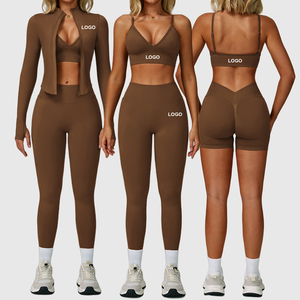
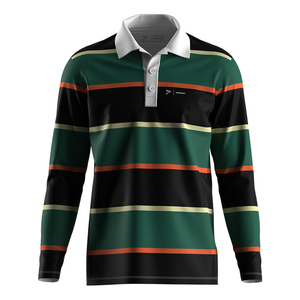
Unlike standalone badge print shops, we operate complete garment assembly lines. When you order team tracksuits, rugby polos, or seamless yoga sets, our technical team tests the badge adhesion directly onto your production batch fabric prior to bulk run initiation, eliminating field failure risks.
We empower emerging Los Angeles independent brands and elite sports programs by offering low minimum order quantities starting from just 50 pieces per design on garments and 100 pieces on custom heat transfer badges, scaling smoothly into 100,000+ unit mass production orders.
Every badge production lot undergoes rigorous quality checks: 180-degree peel adhesion tests (ASTM D903), hydrostatic resistance testing, color spectrophotometer matching (Delta E < 0.8), and simulated industrial laundering before any export carton is sealed.
We take the friction out of international sourcing. Our logistics department provides transparent FOB or DDP Los Angeles pricing, managing commercial invoices, Harmonized Tariff Schedule (HTS) codes, packing lists, and coordinated air/ocean freight into your local facility.
Our in-house technical art department audits your vector artwork (.AI, .PDF, .EPS) before mold creation. We evaluate draft angles, micro-stroke widths, and negative space clearances to ensure your thermal emblems release crisply from carrier films during high-speed production pressing.
Optimized heat press settings formulated to ensure indestructible thermal bonding while preventing polyester scorched marks.
| Badge Type | Temperature (°F / °C) | Dwell Time (Seconds) | Pneumatic Pressure (Bar / PSI) | Peel Temperature | Secondary Post-Press |
|---|---|---|---|---|---|
| 3D Molded Silicone | 295°F – 310°F (145°C – 155°C) | 12 – 15 sec | 4.0 – 5.0 Bar (60–70 PSI) | Completely Cold Peel | 3 sec (Teflon sheet cover) |
| High-Density TPU Emblem | 285°F – 300°F (140°C – 150°C) | 10 – 12 sec | 3.5 – 4.5 Bar (50–65 PSI) | Warm / Cold Peel | 2 sec reverse press from back |
| Anti-Sublimation Carbon Blocker | 265°F – 280°F (130°C – 138°C) | 10 – 14 sec | 3.0 – 4.0 Bar (45–55 PSI) | Immediate Hot Peel | Not required |
| Micro-Woven Thermal Patch | 310°F – 330°F (155°C – 165°C) | 15 – 18 sec | 4.5 – 5.5 Bar (65–75 PSI) | Cold Peel | 5 sec reverse press |
| Ultra-Thin Reflective Silver | 280°F – 295°F (138°C – 145°C) | 8 – 10 sec | 3.0 – 3.5 Bar (40–50 PSI) | Warm Peel | 2 sec with silicone paper |
For recycled polyester athletic kits prone to thermal bruising, execute a reverse application: apply heat from the interior back platen through the garment liner for 12 seconds, allowing adhesive melt-flow without exposing the decorative front face to direct platen compression.
Essential questions answered for apparel production managers, athletic directors, and contract embellishers.
Dye sublimation migration occurs when disperse dyes in synthetic fabrics turn into gas at temperatures above 130°C and bleed into the badge adhesive. To counteract this, we formulate our badges with an activated carbon or composite metallic blocking barrier between the adhesive base and the top color layers. This barrier physically traps migrating gaseous dye molecules, ensuring pure, unblemished whites and bright neons throughout the garment's operational lifespan.
Yes, 100%. California Proposition 65 strictly controls consumer exposure to harmful chemicals, particularly ortho-phthalates (such as DEHP, DBP, BBP, DINP), lead, and toxic heavy metals. We manufacture our heat transfer products utilizing OEKO-TEX Standard 100 Class 1 certified raw materials, water-based printing emulsions, and pure medical-grade liquid silicones that contain zero hazardous plasticizers or VOCs, guaranteeing full legal compliance across the State of California.
For urgent pre-production strike-offs and rapid sample approvals, we utilize dedicated air courier express (DHL/FedEx), delivering directly from our Sialkot facility to Downtown Los Angeles doorsteps within 3 to 5 business days. For bulk production orders, regular commercial air cargo arrives at LAX within 5 to 7 days, while consolidated ocean freight shipments direct to the Port of Los Angeles / Long Beach average 24 to 28 days transit time.
Our baseline MOQ for custom heat transfer sports emblems starts at just 100 pieces per design, facilitating lean prototyping and boutique collection launches for emerging Los Angeles brands. For combined programs where we produce both the cut-and-sew garment (such as athletic tracksuits, performance polos, or yoga leggings) and apply the custom badges in-house, our garment MOQ starts at 50 pieces per style.
Absolutely. We never initiate bulk production without written buyer approval of physical samples. Following digital CAD vector approval, we produce physical strike-offs (typically 3 to 5 samples) applied directly to your designated fabric swatches. We supply high-resolution macro photography and rapid physical courier dispatch to your Los Angeles studio to verify relief height, color accuracy, and peel characteristics.
Our transfers are cast on high-stability polyester (PET) release liners with matte or gloss anti-static coatings. In Southern California's climate, badges should be stored in their original sealed moisture-barrier polybags at 65°F to 75°F (18°C to 24°C) with 40–50% relative humidity, away from direct sunlight. Stored under these conditions, our thermoset adhesives retain flawless bonding performance for up to 24 months from the manufacturing date.
To fabricate computer-numeric controlled (CNC) steel or brass tooling for 3D silicone and TPU badges, we prefer vector artwork created in Adobe Illustrator (.AI, .EPS, or editable vector .PDF). All fonts must be converted to outlines, and stroke widths should maintain a minimum thickness of 0.3mm (0.012 inches) to allow unobstructed liquid silicone flow and sharp, crisp edge definition.
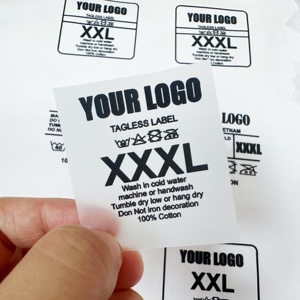
Yes. While most custom crests are supplied as precision die-cut individual pieces with easy-peel tabs, we can configure tagless neck labels and continuous sponsorship transfer graphics on continuous rolls compatible with roll-fed pneumatic presses used in high-volume Vernon and City of Industry decoration plants.
Eliminate intermediaries. Secure direct factory pricing, zero-failure technical transfer engineering, and comprehensive cut-and-sew manufacturing tailored for the Southern California apparel market.