Explore our precision-molded portfolio engineered for technical sportswear, heavy-duty tactical outer-shells, laser-perforated headwear, and premium denim collections across Latin America.
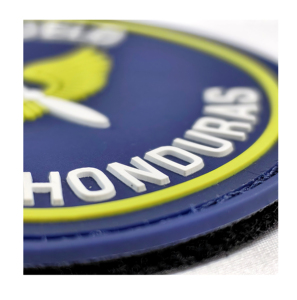
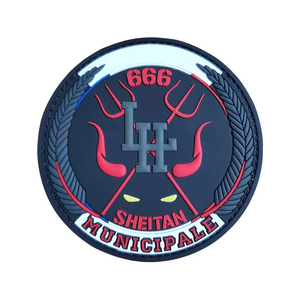

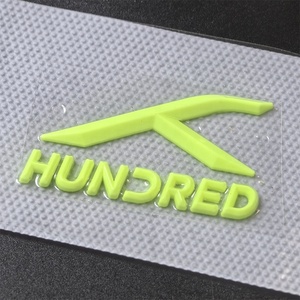
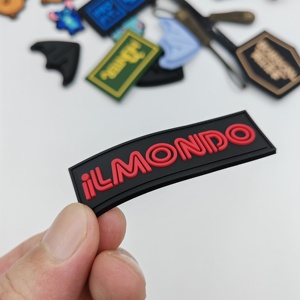
In Colombia's fiercely competitive apparel landscape—ranging from the high-tech activewear powerhouses in Antioquia to the corporate outfitting conglomerates of the Sabana de Bogotá—garment trims are no longer mere functional branding tags. They represent the primary tactile interface between consumers and apparel brands. Over the last decade, traditional woven damask labels and flat screen-printed graphics have steadily ceded ground to three-dimensional silicone logo patches, engineered from Liquid Silicone Rubber (LSR) and high-density vulcanized silicone compounds.
Silicone emblems deliver unparalleled technical performance: a silky, skin-friendly hand-feel (Shore A hardness from 40 to 65), infinite color reproducibility matching international Pantone systems, extreme elasticity that stretches up to 300% without cracking or delamination, and absolute inertia against harsh industrial launderings, enzymatic wash formulas, and chlorine exposure. For brands exporting to North America under the US-Colombia Trade Promotion Agreement (TPA) or fulfilling Andean Community (CAN) contracts, specifying true silicone over conventional phthalate-laden PVC is the single most critical decision to secure compliance with international chemical restriction guidelines including OEKO-TEX® Standard 100 Class I (safe for babywear) and California Proposition 65.
When procuring 3D dimensional badges, Colombian sourcing directors must evaluate the molecular architecture of the trim based on fabric weight, application temperature ceilings, and mechanical stress profiles. Our manufacturing plant operates state-of-the-art multi-head automated dispenser units and vacuum vulcanization presses capable of casting ultra-sharp micro-relief patterns down to a line width of 0.12mm.
| Performance Criterion | Liquid Silicone Rubber (LSR) | High-Density Micro-PVC | Thermo-Polyurethane (TPU) | Woven High-Definition |
|---|---|---|---|---|
| Shore Hardness Range | 30A - 70A (Ultra-Soft) | 50A - 85A (Moderate) | 65A - 95A (Rigid to Semi-Rigid) | N/A (Textile Weft) |
| Elongation & Elastic Recovery | 350% with zero permanent set | 120% (susceptible to fatigue) | 180% (moderate recovery) | <15% (non-stretch) |
| Thermal Stability Limits | -50°C to +230°C continuous | -10°C to +75°C (softens/melts) | -20°C to +110°C | Up to +160°C |
| Chemical / Ecological Profile | Non-toxic, Phthalate-Free, ZDHC Level 3 | Contains plasticizers; EU REACH restricted | Solvent-free formulations | Oeko-Tex compliant yarn |
| Primary Colombian Application | Activewear, Swimwear, Seamless Shapewear | Tactical packs, heavy outerwear, denim | Athletic running footwear, rainwear | Internal collar brand labels |
Colombia's multi-regional textile ecosystem has hyper-specialized manufacturing hubs. Discover how our custom silicone logo patches are specifically tailored to the unique textile chemistries and production lines of each city.
Medellín is Latin America's epicentre for compressive textiles, premium activewear, and world-renowned surgical fajas (shapewear). These garments incorporate polyamide and high-percentage elastane (Spandex/Lycra) matrices. Our silicone heat transfers utilize modified, low-temperature thermal adhesives (135°C–145°C) that cure within 12 seconds under 3.5 bar pressure, preventing fabric glazing, puckering, or thermal yellowing of sensitive elastane fibers while preserving 100% mechanical four-way stretch recovery.
With severe temperature shifts and intense highland UV radiation, Bogotá's industrial uniform and tactical apparel manufacturers (serving security forces, mining conglomerates, and utility operators) demand trims that do not embrittle under cold conditions or fade. Our sew-on silicone patches feature an engineered perimeter needle groove (0.8mm recessed stitch channel) preventing high-tensile sewing needles from tearing the silicone body, paired with permanent anti-UV chemical inhibitors.
Cali's flourishing cycling and triathlon apparel market demands the absolute pinnacle of aerodynamic aerodynamics and zero-friction ergonomics. We produce micro-thin 3D silicone heat transfer logos (0.4mm to 0.8mm relief) directly bonded to moisture-wicking interlock fabrics. Our silicone transfers resist dynamic friction against cycling bib straps and withstand intense sweat enzymes and body oils without peeling or edge discoloration.
Colombia is a globally recognized powerhouse for designer swimwear exports, heavily concentrated along the Atlantic coast and exported via Cartagena and Barranquilla. Saltwater salinity, aggressive pool chlorine, and chemical suntan oils degrade conventional plastisol and embroidery threads. Our high-density LSR patches are impervious to saltwater oxidation and tested to 100+ hours of continuous UV and chlorinated water immersion without fading.
The Colombian textile and garment industry, anchored by institutional trade fairs such as Colombiatex de las Américas and Colombiamoda, is undergoing a profound paradigm shift driven by nearshoring dynamics, agile production cycles, and stringent transatlantic regulatory frameworks. Global apparel brands based in the United States and the European Union are actively diversifying supply chains away from single-source Asian destinations, turning to Colombia for rapid turnarounds and sustainable production. This macro shift creates distinct demands on trim and patch manufacturers:
US brands sourcing cut-and-sew operations in Colombia operate on compressed 4 to 6-week retail inventory cycles. Traditional trim suppliers requiring 60-day mold turnaround and trans-Pacific sea transit create critical bottlenecks. Our agile mold engineering framework fabricates hardened copper and aluminum CNC molds in 3-5 days, dispatching pre-production silicone samples via air express directly to factories in Medellín, Bogotá, or Cali in under a week.
With the European Corporate Sustainability Due Diligence Directive (CSDDD) and US environmental regulations tightening, Colombian apparel exporters are audited rigorously on chemical inputs. Phthalate-heavy plastisol and PVC trims are systematically rejected by tier-1 brands. Liquid silicone rubber is biologically inert, hypoallergenic, and can be cleanly incinerated without toxic halogenated gas release, giving brands verified sustainability credentials.
To combat counterfeit athletic wear in South America, high-end apparel labels in Colombia require complex, impossible-to-replicate trim textures. Our micro-injection technology integrates matte and gloss silicone layers with laser-engraved security micro-text, metallic color flakes, fluorescent photoluminescent pigments, and hybrid combinations with woven jacquard or genuine leather base-layers.
Leveraging advanced manufacturing clusters, we supply direct factory-to-factory custom silicone badges with total transparency, eliminating trading company markups and supply chain opacity.
Equipped with 30+ high-precision 5-axis CNC engraving stations, we machine multi-tier, micro-textured, and 3D beveled molds directly from CAD/AI vectors, ensuring absolute fidelity to your corporate brand geometry.
Every batch undergoes standard AATCC 61-2A accelerated home laundering tests, 50-cycle commercial tumble dry checks, Martindale abrasion resistance analysis, and spectrophotometer color matching to Delta E < 0.8.
We provide fully documented export manifests, packing lists, Certificate of Origin paperwork, and seamless courier clearance directly to Colombian tax Free Trade Zones (Zonas Francas) in Rionegro, Fontibón, and Palmira.
We support scaling boutique apparel designers, start-up activewear collections, and massive retail export runs alike. Trial development batches begin from just 100 pieces per design with transparent mold amortizations.
Importing custom garment badges into Colombia requires clear operational coordination with the DIAN (Dirección de Impuestos y Aduanas Nacionales) to prevent clearance detentions and duty misclassifications. Colombian garment manufacturers typically clear silicone trims under the following harmonized customs tariff codes (Subpartida Arancelaria):
Our experienced export documentation department issues bilingual commercial invoices (English/Spanish), itemized packing lists stating gross/net weights per carton, airway bills (AWB), and material safety compliance certificates (MSDS) with complete chemical transparency to facilitate instant green-channel DIAN customs approval.
A prime cause of logo patch detachment in industrial laundries is suboptimal application calibration. Unlike standard screen-printed heat transfers, 3D silicone patches have greater thermal mass and require sufficient thermal soak to activate the thermosetting or hot-melt adhesive backing without melting the underlying textile.
| Target Garment Fabric | Recommended Press Temp | Dwell Time (Seconds) | Pneumatic Pressure | Peeling Method |
|---|---|---|---|---|
| 100% Cotton / Heavy Fleece | 155°C – 165°C (311°F – 329°F) | 12 – 15 seconds | 4.0 – 5.0 Bar (High) | Cold Peel (Wait 30s) |
| Polyester / Spandex Performance Knit | 135°C – 145°C (275°F – 293°F) | 10 – 12 seconds | 3.0 – 3.5 Bar (Medium) | Complete Cold Peel |
| Waterproof Cordura / Nylon Taslan | 145°C – 155°C (293°F – 311°F) | 15 – 18 seconds (Backside heating recommended) | 4.5 – 5.0 Bar | Cold Peel |
| Ultra-Fine Mesh / Swimwear Polyamide | 130°C – 140°C (266°F – 284°F) | 8 – 10 seconds | 2.5 – 3.0 Bar (Low) | Cold Peel |
Clear, technically precise answers regarding minimum orders, mold tooling fees, courier transit to Colombia, and wash endurance.
Yes. We engineer our silicone heat transfers with an integrated carbon-based dye-migration barrier (anti-sublimation block-out layer). This completely stops volatile disperse dye molecules from migrating from printed polyester jerseys into the pristine white or light-colored silicone logo during heat pressing and high-humidity athletic storage.
For express pre-production samples and urgent production runs, we utilize DHL Express, FedEx Priority, and UPS Air Cargo, which reliably deliver directly to your factory or warehouse door in Bogotá, Medellín, Cali, or Barranquilla within 4 to 6 business days after dispatch, including international air transit and standard customs handoff.
Custom 3D silicone badges require CNC-machined steel or copper tooling. We charge a one-time mold development fee (typically $40–$90 depending on design dimensions and layer complexity). Once approved, we securely store your physical mold in our climate-controlled archive for 3 years; subsequent repeat production runs incur zero mold tooling fees.
For denim jeans and heavy jackets undergoing aggressive stone washes, enzyme baths, acid washes, and industrial sandblasting, we exclusively recommend sew-on silicone patches featuring an engineered perimeter stitch groove. The harsh mechanical abrasion and heavy chemical bleaches in Colombian denim finishing facilities will rapidly degrade heat-activated adhesives.
Yes. Our liquid silicone formulations are 100% free of heavy metals (lead, cadmium, mercury), phthalates (DEHP, BBP, DBP), organotins, and volatile organic compounds (VOCs). They strictly satisfy OEKO-TEX® Standard 100 Class I criteria, making them completely non-irritating and approved for surgical fajas, underwear, and newborn clothing lines.
We utilize computer-controlled automated liquid pigment dosing matched to the Pantone Formula Guide (Solid Coated/Uncoated) and the Pantone Fashion, Home + Interiors (TCX/TPG) systems. Finished vulcanized silicone achieves a spectral Delta E color deviation under 0.8, guaranteeing exact hue alignment with your brand fabrics and digital tech packs.
We support international wire transfers via T/T (Telegraphic Transfer in USD/EUR), direct SWIFT transfers to corporate bank accounts, and Letter of Credit (L/C) for large container shipments. For rapid sample tooling and initial prototyping runs under $1,000 USD, we accept corporate credit cards and verified digital portals to prevent banking delay.
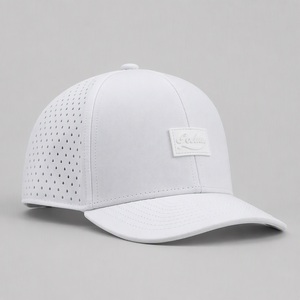
Absolutely. Applying a flat rigid badge onto the front seam of a curved 6-panel baseball hat causes bubbling and edge lifting. We engineer pre-curved silicone molds tailored exactly to the radial profile of buckram-reinforced crown panels, ensuring clean thermal or stitched bonding without creasing.
Whether you are developing high-compression activewear in Medellín, outfitting public utilities in Bogotá, or designing luxury resortwear in Cartagena, our engineering team is ready to analyze your tech packs, produce rapid pre-production mold prototypes, and provide competitive factory-direct FOB or DDP pricing.