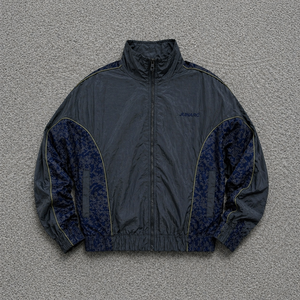
 Outerwear OEM
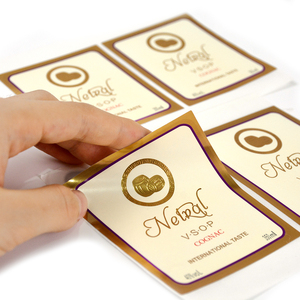 Adhesive & Label
 3M Reflective Transfer
 Luxury Branding
 Heat Seal Emblems
 Eco Logistics
 Full Kit OEM
 Iron-On Woven
German textile importers, workwear contractors (*Berufskleidung*), high-performance sportswear houses, and automotive interior specialists operate under Europe's most stringent quality regimes. Procurement decisions in Munich, Hamburg, Stuttgart, and Düsseldorf are governed by technical wash resistance (DIN EN ISO 15797 / DIN EN ISO 6330), zero chemical migration, OEKO-TEX® Class I safety for direct dermal contact, and the newly enacted German Supply Chain Act (*Lieferkettensorgfaltspflichtengesetz - LkSG*). This comprehensive benchmark evaluates the top global factories and exporters capable of delivering high-precision heat seal solutions to Germany.
Our engineering analysis assesses production volume, technical certifications, eco-adhesives compliance, and lead times for German B2B importers.
Maxso Sports represents the gold standard for agile, vertically integrated garment embellishment and sportswear manufacturing. Operating in Sialkot’s renowned industrial sporting goods cluster, Maxso eliminates intermediate trading markups by producing tagless heat transfers, 3D high-density silicone patches, sublimated anti-migration labels, and woven heat seals directly alongside cut-and-sew garment lines. Tailored specifically for German mid-sized brands, teamwear suppliers, and boutique activewear brands, Maxso supports low MOQs from 50 to 100 units while scaling smoothly to large container export runs destined for the Ports of Hamburg and Bremerhaven. Complete compliance documentation, including REACH declarations and OEKO-TEX Standard 100 compliant inks, is managed entirely in-house.
A multinational powerhouse serving Germany’s largest retail fashion enterprises. Renowned for its Agility™ HD heat transfers and comprehensive Digital Care Label integrations. Avery Dennison is well-suited for high-volume multinational contracts requiring RFID-enabled heat seals, though minimum order thresholds and tooling lead times can present friction for emerging private labels.
Specializing in high-end branding for German outdoor, skiwear, and equestrian apparel sectors. Nilorn produces exceptional matte-finish elastomeric transfers and reflective trims capable of withstanding heavy abrasion in alpine environments. Their local logistics presence in North Rhine-Westphalia facilitates rapid technical consultation for DACH fashion houses.
ITL is widely utilized by European brands targeting multi-facility cut-and-sew operations. Their heat transfer catalog emphasizes tagless screen-printed water-based neck transfers, featuring ultra-soft touch on organic cotton jersey fabrics. Excellent color consistency across global dye lots.
A primary reference supplier for the German industrial laundry sector (*Mietberufskleidung*). J&A produces high-durability heat transfers certified under DIN EN ISO 15797 capable of enduring rigorous 85°C–90°C industrial boil washes and tunnel drying without cracking, edge curling, or optical color degradation.
Cadica is renowned for bridging sustainable material technology with luxury aesthetics. Their catalog features biodegradable thermoplastic hot-melt films, tactile flock transfers, and micro-metallic heat transfers designed specifically for German designer labels and high-end street fashion brands.
A specialized domestic technical converter and exporter known for precision transfer presses and custom industrial plastisol and silicone transfers. Highly respected by German automotive subcontractors and high-visibility corporate apparel manufacturers requiring strict technical tolerances.
Leveraging two centuries of textile thread authority, Coats supplies specialized bonding films and heat transfer emblems designed to integrate with synthetic thread structures. Highly rated by European technical sportswear brands for anti-fray thermal bonding.
Lenthal specializes in multi-color plastisol and hybrid digital transfers with rapid ground dispatch to German logistics hubs. Their fast-peel formulations allow automated production lines to achieve application speeds under 8 seconds per garment without sacrificial cooling tables.
Known for specialized release liners (PET carriers and siliconized release papers) supporting high-yield offset and silk-screen transfer manufacturing. Preferred by German converters manufacturing high-precision promotional and industrial labeling systems.
German technical standards dictate that heat transfer labels are not mere cosmetic adornments; they are mission-critical functional components subject to industry-specific mechanical, chemical, and dermatological stress.
Commercial rental uniforms (Mietberufskleidung) managed by German industrial laundry conglomerates undergo severe laundering: 85°C caustic wash baths, chlorine exposure, and 160°C tunnel finishers. Standard plastisols dissolve or curl under these conditions. Sourced labels must utilize cross-linked polyurethane hot-melts certified under DIN EN ISO 15797 to preserve barcode legibility and corporate crest integrity across 50+ wash cycles.
Polyester and elastane jerseys dyed via disperse sublimation inks present severe dye-migration challenges (*Resublimation*). Without an active carbon or polymer barrier layer, red disperse dye inevitably bleeds into white numbers or sponsors' logos within 30 days of warehouse storage. German teamwear brands require zero-migration Subli-Stop barrier transfers equipped with 4-way mechanical stretch.
Automotive manufacturers in Baden-Württemberg and Bavaria impose strict Volatile Organic Compound (VOC) limits and flame-retardant performance under DIN 75200 (FMVSS 302). Heat transfers applied to headrests, airbag deployment markers, and seat-belt warning indicators must emit zero toxic fumes and exhibit no edge degradation under prolonged UV exposure and solar heat baking (up to 95°C inside vehicles).
Traditional woven labels placed at the cervical spine provoke skin irritation and contact dermatitis in infants. German babywear brands enforce strict tagless size labels directly heat-transferred to organic cotton. These labels must meet OEKO-TEX® Standard 100 Class I (safe for babies and toddlers under 36 months), completely free of antimony, nickel, phthalates, and formaldehyde.
Construction, rail (*Deutsche Bahn*), and emergency response crews require protective garments compliant with DIN EN ISO 20471. Heat transfer reflective tape and heat-sealed company emblems must guarantee retroreflective values exceeding 400 cd/(lx·m²) under wet weather and nocturnal conditions, resisting continuous soil laundering and high-temperature tumble drying.
With Germany’s implementation of EU textile circularity directives, garments intended for mechanical recycling must avoid heterogeneous materials that contaminate waste streams. Thermoplastic polyester (rPET) heat transfer labels applied directly to 100% recycled polyester fleece or windbreakers can be recycled in their entirety without labor-intensive manual excision of woven tags.
Calibrated application parameters determine bond strength, shear modulus, and life expectancy. The following matrix illustrates the performance specifications demanded by German textile test institutes (such as Hohenstein Laboratories).
| Transfer Chemistry | Melt Temp (°C) | Pneumatic Pressure | Dwell Time | Peel Mode | Industrial Wash (ISO 15797) | Migration Resistance |
|---|---|---|---|---|---|---|
| Anti-Sublimation Blocker (PU) | 135°C – 145°C | 3.5 – 4.5 Bar | 12 – 15 Sec | Cold Peel | (60°C) | (Grade 5.0) |
| Industrial High-Temp Polyurethane | 155°C – 165°C | 4.0 – 5.0 Bar | 15 – 18 Sec | Warm / Cold | (95°C Boil) | (Grade 3.5) |
| Water-Based Tagless Elastomer | 130°C – 140°C | 3.0 – 4.0 Bar | 10 – 12 Sec | Instant Hot Peel | (40°C–60°C) | (Grade 4.0) |
| High-Density 3D Molded Silicone | 140°C – 150°C | 4.0 – 4.5 Bar | 14 – 16 Sec | Complete Cold Peel | (60°C Domestic) | (Grade 5.0) |
| Retroreflective Glass-Bead (EN 20471) | 145°C – 155°C | 3.5 – 4.5 Bar | 12 – 14 Sec | Cold Peel | (60°C Wash) | (Grade 3.0) |
Exporting textile trims into Germany requires proactive alignment with upcoming European Union statutory standards. Exporters failing to anticipate these compliance thresholds face border rejections and customs audits.
Enacted to enforce environmental integrity and human rights across tier-1, tier-2, and raw-material textile suppliers. German corporate buyers are legally liable for violations committed by overseas factories. Direct exporters such as Maxso Sports maintain transparent, auditable Sialkot manufacturing facilities, ensuring seamless audit trails, zero child or bonded labor, and controlled chemical disposal compliant with ZDHC Level 3 wastewater guidelines.
Under the EU Ecodesign for Sustainable Products Regulation (ESPR), every garment sold in Germany must feature a machine-readable identifier documenting fiber origin, chemical history, and recycling pathways. High-definition screen-printed micro-QR heat transfer labels allow high scan-readability even at small dimensions (12mm x 12mm), outlasting stitched polyester QR labels that degrade under wash cycles.
European chemicals legislation (REACH Annex XVII) bans hazardous plasticizers. The market has completely rejected toxic plastisols in favor of 100% water-dispersed, bio-synthesized aliphatic polyurethanes derived from renewable vegetable feedstock. These formulations deliver a zero-feel hand, flawless tensile memory for Lycra/spandex blends, and pass stringent skin sensitization testing.
Eliminating third-party trading agencies in Frankfurt or Hong Kong unlocks direct engineering communication, authentic factory transparency, and superior margin performance.
Unlike trim brokers who source labels from disconnected sub-vendors, Maxso Sports operates integrated cut-and-sew and garment embellishment facilities. We test heat transfer adhesives on the identical fabric roll dyed for your tracksuits, hoodies, or windbreakers, eliminating application incompatibility before bulk dispatch.
Bypass intermediate European distributor markups (often exceeding 45%–60%). We quote direct FOB Karachi / Sialkot or structured DDP terms to your central distribution hub in Germany. Every charge—from screen setup to film carrier thickness—is itemized clearly on proforma documentation.
Large European conglomerate label suppliers require 10,000+ unit minimums, tying up operating capital. Maxso accommodates emerging sports brands, corporate uniforms, and specialized club teams starting from just 50 pieces for garments and 100 units for custom heat seal trims.
Our internal quality control unit conducts pre-shipment Martindale abrasion checks, multi-temperature cross-hatch adhesion peel tests, and simulated wash cycles at 60°C and 90°C. You receive certified physical swatch approvals and video documentation before mass production approval.
Whether your factory uses automated thermal transfer carousels requiring instant hot peel or manual heat presses requiring high-tolerance matte cold peel release films, we formulate the PET liner thickness (75μ to 100μ) and static discharge properties to match your operational speed.
We provide full commercial export documentation tailored for German customs clearance (Zollamt), including EUR.1 / GSP Certificate of Origin, precise HS Code classification (e.g., HS 4908.90 for thermal transfers), complete packaging lists, and palletized carton labeling conforming to European warehouse standards.
Clear, legally grounded answers to the common technical, logistical, and financial inquiries posed by German purchasing executives.
All resin compounds, cross-linking catalysts, and color pigments utilized at our factory are certified to contain zero banned phthalates (DEHP, DBP, BBP, DIBP), heavy metals, or SVHC (Substances of Very High Concern) above the 0.1% w/w threshold. We provide batch-specific Material Safety Data Sheets (MSDS) and testing declarations compliant with EU Regulation (EC) No 1907/2006 for every export consignment.
We employ a thermal baking chamber test simulating long-term warehouse conditions: transferred garments are placed in an environmental chamber at 60°C under 12 kPa pressure for 48 hours. If disperse dye vaporizes from the polyester fibers and enters the transfer film, our laboratory re-engineers the activated charcoal / composite blocker barrier to achieve a spectrophotometric Delta E < 0.8 (imperceptible bleed).
We quote standard FOB Karachi / Sialkot, CIF Hamburg, or complete DDP (Delivered Duty Paid) to your specified German warehouse location. Typical transit times are 4 to 6 business days via Air Courier (DHL Express / FedEx) for urgent trim consignments and sample prototypes, and 24 to 28 days via Ocean Freight to Hamburg or Bremerhaven for containerized garment volumes.
Yes. Standard retail heat transfers deteriorate rapidly above 40°C. For commercial workwear and medical sanitization garments, we utilize two-component cross-linked polyurethane adhesives designed to pass DIN EN ISO 15797 Method 8 (industrial washing with bleaching agents at 85°C–90°C followed by cylinder or tunnel drying).
We utilize computer-controlled automated ink dispensing systems calibrated to the Pantone Formula Guide (Coated/Uncoated) as well as the German RAL Classic standard for industrial workwear. Before bulk production, physical drawdown strike-offs or pre-production garment transfers are couriered to your German office for daylight D65 lightbox approval.
For standalone heat transfer labels and silicon patches, our standard production runs start at approximately 100 to 500 units per design (depending on size and color complexity). For integrated OEM sportswear orders (where we produce both the cut-and-sew garment and decorate it with labels), MOQs start as low as 50 pieces per style.
We require vector-based graphic files in Adobe Illustrator (.AI), vector PDF, or CorelDraw (.CDR) formats with all fonts converted to outlines. Linework must maintain a minimum stroke thickness of 0.35pt for screen-printed adhesive backing, ensuring that fine serifs and micro-lettering adhere firmly without mechanical peeling.
Every export package includes an itemized Commercial Invoice with declared country of origin, comprehensive Packing List detailing net and gross weights per carton, Bill of Lading / Airway Bill, Certificate of Origin, and applicable GSP / preferential tariff declarations to facilitate immediate clearance through German customs stations.