Performance Trim
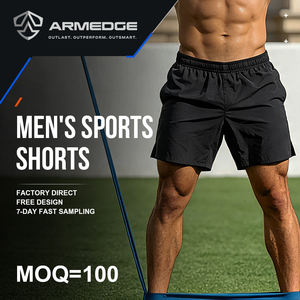
OEM Men's Athletic Running Shorts (3M Reflective Label Compatible)
- Fabrication: 75D 100g Poly-Spandex
- Reflective Trim: 3M Scotchlite Certified
- Wholesale MOQ: 100 Pcs / Design
From high-density damask brand patches to technical activewear and sustainable packaging trims, our integrated manufacturing lines serve Japan's leading trading houses (shosha), independent Osaka design ateliers, and commercial athletic brands.
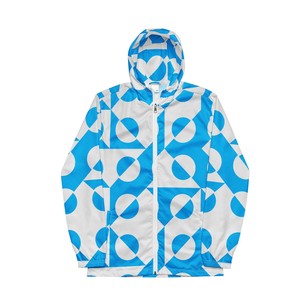
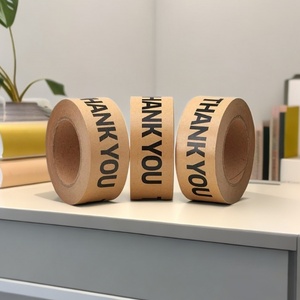

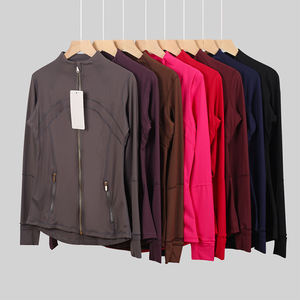
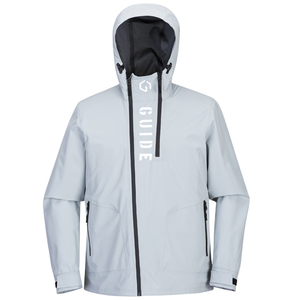
Unlike Tokyo's corporate headquarters model, the Osaka apparel landscape operates as a fiercely pragmatic, merchant-driven ecosystem centered in the Kansai region. Understanding local sourcing nodes dictates whether a brand requires microscopic damask edge-softness for luxury department stores or heavy tactile chenille badges for urban streetwear drops.
Centered around Honmachi and the historic Semba Center Building (船場センタービル), this commercial district commands high-volume contract uniform supply, business-casual wear, and mass-market domestic distribution. Buyers here enforce rigorous adherence to standard Japanese sizing, ISO-aligned washing resilience, and uniform color fastness.
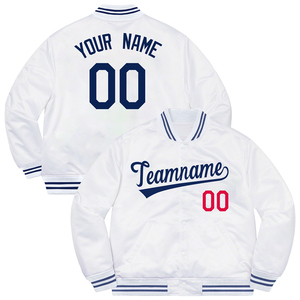
The cultural heartbeat of western Japanese street fashion in Shinsaibashi demands aggressive texture and vintage Americana heritage. Boutiques and domestic capsule designers here favor heavy-gauge chenille letter patches, tactile 3D micro-injection TPU badges, and raw-selvedge woven labels with distinctive artisan aesthetic.
With the Rokko mountain range, Lake Biwa, and Wakayama’s coastal sporting corridors at Osaka’s doorstep, Kansai hosts specialized manufacturers of mountaineering shells, cyclewear, and collegiate baseball uniforms. Trims must endure extreme tensile friction, saltwater exposure, and sub-zero freeze-thaw cycles without delaminating.
Importing garments through the Port of Osaka or Kansai International Airport (KIX) requires uncompromising adherence to the Consumer Affairs Agency's Household Goods Quality Labeling Act (家庭用品品質表示法). Failure to match exact JIS glyphs or Japanese font clarity results in immediate customs rejection or refusal by retail department stores like Hankyu and Hanshin.
| Label Substrate / Technology | Material Composition | Resolution / Weave Density | JIS L 0001 Wash Resistance | Hashima Needle Check | Target Local Application |
|---|---|---|---|---|---|
| 50D Micro-Damask Woven | 100% Recycled Poly (rPET) | 120 picks/inch High-Density | Grade 5 (60°C) | Zero Ferrous <0.8mm | Main Neck Labels for Shinsaibashi Designer Brands |
| Japanese Printed Satin Care Label | Single/Double Faced Poly Satin | Thermal Transfer Resin Ribbon | JIS L 0844 Method A-2 | Pass Certified | Mandatory Kanji Wash Instructions & Importer ID |
| High-Frequency 3D TPU | Eco-Friendly Thermoplastic PU | Multi-Level Embossed 0.6–1.8mm | Grade 4-5 Hydrolysis-Free | Pass Certified | Performance Teamwear, Rugby & Baseball Crests |
| Custom Chenille Felt Patch | Acrylic/Wool Yarn + Twill Base | Tight-Loop Needle Punch | Dry Clean / Delicate | Pre-Scanned Batch | Amerikamura Heavyweight Varsity Bomber Jackets |
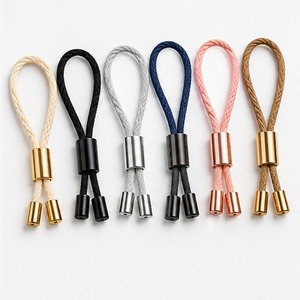
| FSC Certified Brand Hangtags | 350–700 GSM Uncoated Craft | Offset Soy Ink + Spot UV / Foil | N/A (Retail Trim) | Non-Metallic Cords | Umeda Retail Point-of-Sale Pricing & Storytelling |
Eliminating trading intermediaries (chukan-matsubi) unlocks radical supply chain velocity. Our Sialkot facility couples modern Swiss Staubli jacquard electronic looms with complete cut-and-sew garment manufacturing lines, delivering single-source accountability from bare yarn to boxed export shipments.
Unlike trim-only brokerages, we produce the garments and weave the labels in an integrated industrial complex. Neck labels, hem tags, and silicone patches are stitched inline under real factory tension, eliminating fit mismatch and trim loss.
Traditional hot-knife cutting leaves rough, plasticized edges that cause skin irritation—a primary cause of return claims in Japanese retail. Our state-of-the-art ultrasonic looms weld the edges microscopically soft to the touch.
Japanese department stores require absolute zero broken-needle tolerance. Every batch of labels and apparel undergoes multi-angle Hashima conveyorized metal detection, calibrated to detect ferrous particles smaller than 0.8mm.
We manage direct air-cargo consolidations straight to Kansai International Airport (KIX, 3–4 days transit) and palletized sea-freight to the Port of Osaka (大阪港, 18–22 days), including prepared commercial invoices and packing lists.
Straightforward answers addressing MOQ flexibility, kanji font rendering, customs handling at Osaka ports, and technical wash test documentation.
Yes. We produce care labels formatted exactly to JIS L 0001:2014 standards, incorporating the required 5 basic symbol categories (tub, triangle, square, iron, circle) in proper sequence. Our pre-press department uses native Japanese typography for fiber content breakdowns (e.g., 綿 100%, ポリエステル 100%) and formats mandatory Japanese importer identity credentials (business name, address, and domestic contact telephone number) without micro-print bleeding.
For custom woven damask labels, our flexible starter runs begin at just 500 to 1,000 pieces per design, allowing emerging Kansai streetwear brands to establish premium branded neck and hem trims without sitting on massive dead stock. For custom cut-and-sew garments (such as tracksuits, gym shorts, and hoodies), our MOQ starts at 50 to 100 pieces per colorway, complete with your custom labels sewn into the collar during production.
Woven Kanji characters with high stroke counts (such as 繊維, 漂白, or 製造) tend to blur on standard 100-denier looms. We utilize ultra-fine 50D and 75D micro-filament polyester yarns woven on high-density rapier looms at up to 120 picks per inch. This high yarn density ensures that strokes as thin as 0.2mm remain crisply defined, legible, and structurally intact through hundreds of commercial laundry cycles.
Yes. Leading retail groups like Hankyu Hanshin Department Stores and Takashimaya enforce zero-tolerance policies on foreign metallic contaminants. We pass all completed trims and apparel through dual-head Hashima conveyor metal detectors calibrated to an iron test ball of 0.8mm diameter. A formal metal-detection inspection pass certificate is included with your export shipping dossier.
Sample prototypes (woven strike-offs, molded TPU badges, or tech-pack physical apparel samples) are completed within 5 to 7 business days and couriered via DHL or FedEx directly to your Osaka office in 3 to 4 days. For bulk production orders, air-freight consolidations land at Kansai International Airport (KIX) within 4 to 5 days, while ocean container shipments arrive at the Port of Osaka (大阪港) in approximately 18 to 22 days, with full customs documentation provided.
Yes, this is one of our primary competitive advantages. Because our enterprise houses both comprehensive trim manufacturing (woven labels, printed tags, metal seals, 3D TPU badges) and full cut-and-sew garment lines (activewear, varsity jackets, windbreakers), we stitch all branding directly onto your apparel and pack the finished garments into export cartons marked to your exact warehouse specifications, significantly reducing your freight and handling costs.
Send your tech pack, vector artwork, or physical sample requirements today. Our dedicated Kansai export team reviews your dimensions, Pantone color codes, and JIS labeling guidelines to deliver an itemized FOB quote, MOQ schedule, and free sample plan within 24 hours.